Introduction
Electricity prices continue to climb, making household utility bills a major monthly expense for homeowners and renters alike. Fortunately, modern technology offers a powerful solution. Achieving smart home energy efficiency no longer requires expensive solar panel installations or radical lifestyle changes; instead, it relies on intelligent automation https://fibozin.com.
By strategically deploying connected devices—such as smart thermostats, intelligent power strips, and automated schedules—you can eliminate wasteful energy consumption without sacrificing everyday comfort. Whether you want to trim a few dollars off your monthly statement or significantly reduce your household carbon footprint, smart automation puts complete control of your power usage right in your hands.
Here is your comprehensive guide to transforming your living space into an energy-efficient powerhouse.
1. Upgrade to a Smart Thermostat for Maximum Savings
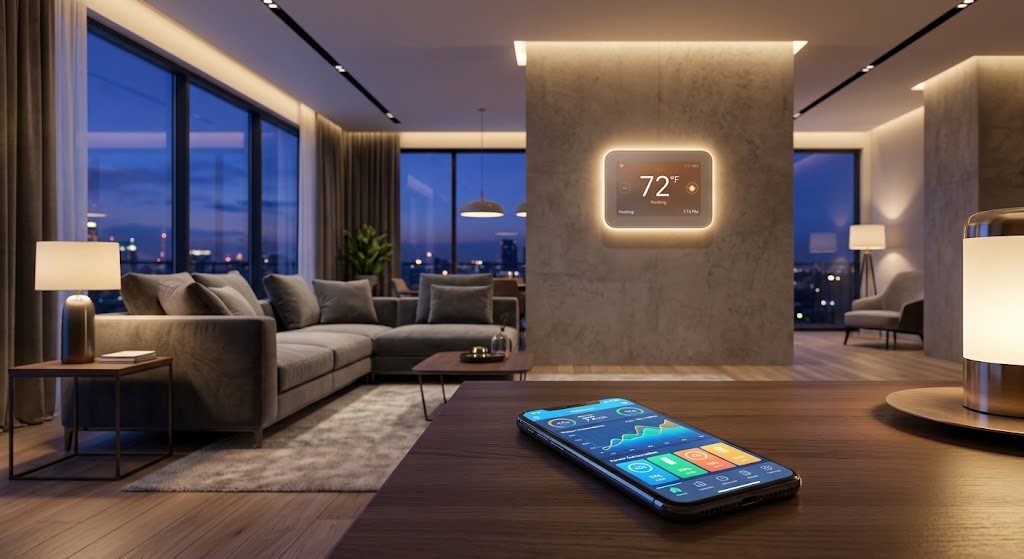
Heating and cooling systems typically account for more than half of a home’s total energy consumption. Traditional thermostats maintain a constant temperature whether anyone is home or not, wasting massive amounts of electricity on empty rooms.
A smart thermostat solves this inefficiency by learning your schedule, tracking local weather patterns, and automatically lowering heating or cooling when you leave the house.
- Geofencing Integration: Uses your smartphone’s location to automatically switch to an eco-temperature mode the moment the last family member leaves.
- Remote Adjustments: Forgot to turn off the AC before a weekend trip? Adjust settings directly from your phone app anywhere in the world.
[Internal Link: Learn how to set up your smart home ecosystem with our beginner’s guide to smart home devices]
2. Eliminate “Vampire Power” with Smart Plugs & Power Strips
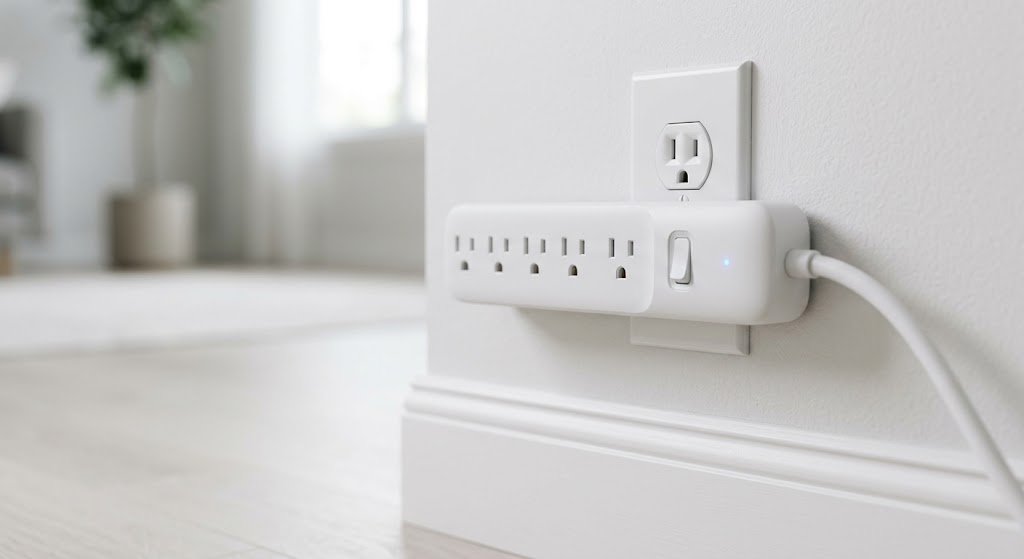
Many household electronics—such as televisions, gaming consoles, coffee makers, and desktop computers—continue drawing electricity even when turned off or set to standby mode. This hidden drain, commonly known as “vampire load,” can quietly inflate your electric bill.
┌─────────────────────────────────────────────────────────────┐
│              Smart Energy Savings Breakdown                 │
├──────────────────────────┬──────────────────────────────────┤
│ Automation Device        │ Primary Energy Saving Benefit    │
├──────────────────────────┼──────────────────────────────────┤
│ Smart Thermostat         │ Cuts 10-15% off heating/cooling  │
│                          │ bills via occupancy schedules.   │
├──────────────────────────┼──────────────────────────────────┤
│ Smart Power Strips       │ Completely cuts standby power    │
│                          │ to idle entertainment centers.   │
├──────────────────────────┼──────────────────────────────────┤
│ Automated LED Bulbs      │ Prevents lights from running     │
│                          │ unnecessarily in empty rooms.    │
└──────────────────────────┴──────────────────────────────────┘
By plugging entertainment centers into smart power strips, you can program the entire strip to cut power completely between 1 AM and 6 AM, or whenever the television turns off.
[Image Placeholder 1]
3. Automate Lighting and Window Treatments
Leaving lights, fans, and electronics running in empty rooms is one of the easiest habits to fix through automation.
- Motion-Triggered Lighting: Pair motion sensors with smart bulbs so that hallways and closets automatically turn off after two minutes of inactivity.
- Motorized Smart Blinds: Program smart shades to close during peak afternoon hours in the summer to block out solar heat gain, reducing the workload on your air conditioning unit Wikipedia.
[External Link: Visit the U.S. Department of Energy for official tips on residential energy conservation]
[Image Placeholder 2]

4. Monitor and Analyze Your Energy Consumption
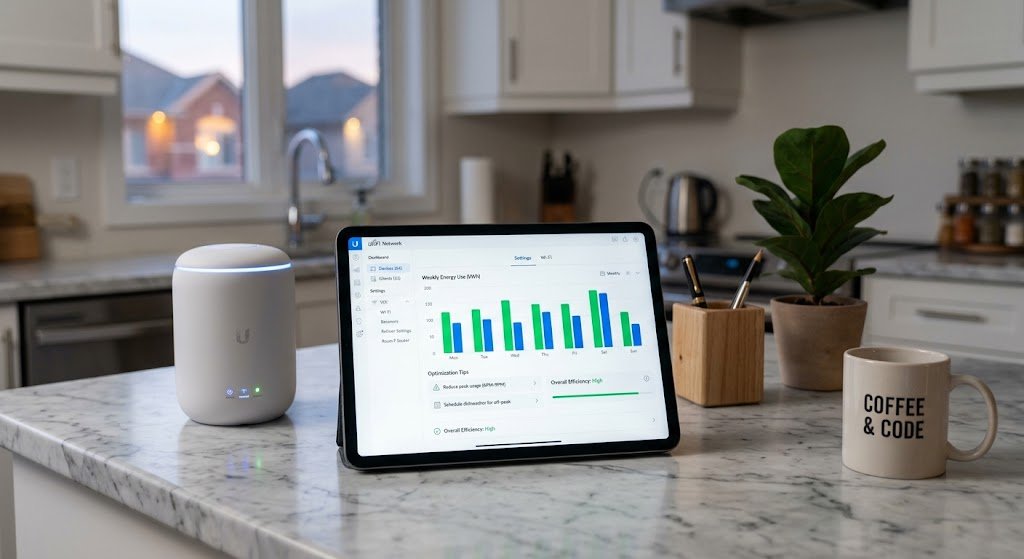
You cannot optimize what you do not measure. Many smart home platforms and standalone energy monitors provide real-time dashboards detailing exactly how much electricity individual appliances consume.
- Spot Energy Vampires: Identify older refrigerators, space heaters, or pool pumps that draw disproportionate amounts of power.
- Shift Usage to Off-Peak Hours: If your utility provider charges lower electricity rates during nighttime hours, use smart plugs to schedule energy-heavy tasks—like running your dishwasher or charging an electric vehicle—during off-peak windows.
[Image Placeholder 3]
Conclusion
Achieving long-term smart home energy efficiency is simpler than ever with today’s connected automation tools. By replacing outdated habits with smart thermostats, energy-monitoring plugs, and automated lighting schedules, you can take direct control of your power usage. Start small with a few high-impact devices, monitor your savings on your smartphone app, and enjoy lower electric bills while creating a more sustainable home.
Frequently Asked Questions (FAQs)
What is the fastest way to improve smart home energy efficiency?
Installing a smart thermostat is universally recognized as the fastest and most impactful upgrade. It automatically adjusts heating and cooling schedules based on your daily routine, immediately reducing your largest household energy expense.
Do smart plugs consume electricity while turned off?
Yes, smart plugs draw a negligible amount of power (usually around 1 watt) to maintain Wi-Fi connectivity. However, the energy they save by completely cutting off standby power to heavier electronics vastly outweighs the minor power they use themselves.
Can I track my energy savings using a smartphone app?
Absolutely. Most smart thermostats, smart plugs with energy-monitoring features, and whole-home energy meters feature intuitive mobile apps that display real-time power consumption metrics and historical cost breakdowns.
Leave a Reply