Dealing with uninvited crawlers in your living space can be frustrating, but resorting to harsh chemical sprays isn’t always necessary—or desirable. Learning natural ways to keep ants and spiders out of your home allows you to maintain a clean, pest-free environment while protecting your family, pets, and indoor air quality https://fibozin.com.
Ants enter searching for food and moisture, leaving chemical scent trails for their colony to follow. Spiders, on the other hand, enter homes in search of quiet shelters and secondary prey like flies or gnats. By understanding their behavior, you can apply simple, non-toxic barriers that deter both insects naturally.
Key Takeaways
- Disrupt Scent Trails: Essential oils like peppermint and tea tree disrupt ant navigation and repel spiders instantly due to strong olfactory sensitivity.
- Eliminate Food & Water Sources: Storing food in airtight containers and fixing minor plumbing leaks deprives pests of the primary reasons they enter homes.
- Seal Entry Points: Caulk around door frames, baseboards, and window sills to create a physical barrier against tiny invaders.
- Maintain Outdoor Perimeter: Trim bushes, sweep away fallen leaves, and keep firewood stacked away from exterior house walls to eliminate nesting spots.
1. Harness the Power of Peppermint Essential Oil
Peppermint oil is one of the most effective natural ways to keep ants and spiders out of your home. Both pests possess sensitive sensory organs that react strongly to intense aromatic compounds like menthol.
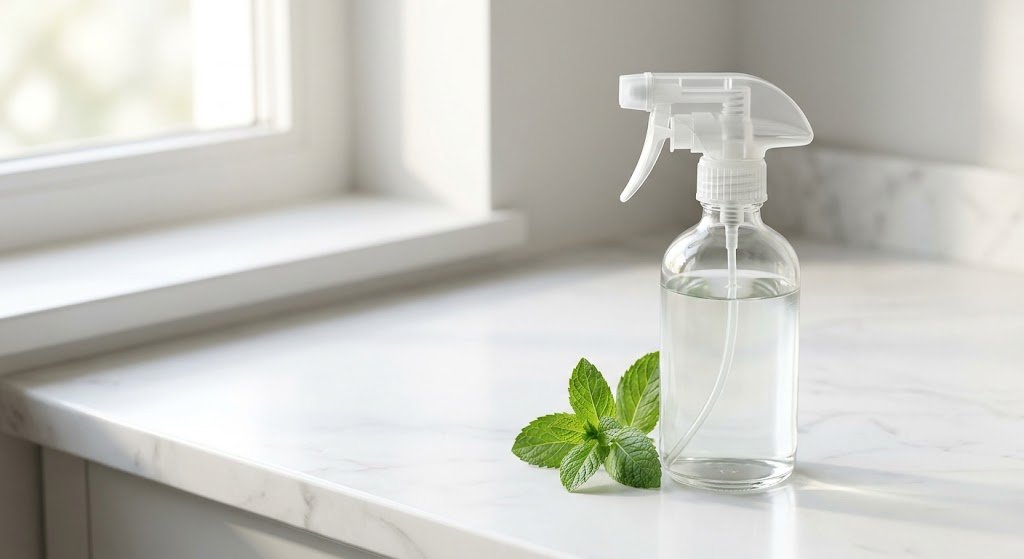
How to Prepare a DIY Peppermint Spray
- Mix 10 to 15 drops of pure peppermint essential oil with 2 cups of water in a clean spray bottle.
- Add a few drops of mild liquid dish soap to help the oil and water emulsify.
- Spray along baseboards, window sills, doorways, and underneath kitchen sinks.
- Reapply weekly or after cleaning surfaces to maintain optimal freshness and deterrence.
[Image Placeholder 1]
2. Deploy Diatomaceous Earth (Food-Grade)
Food-grade Diatomaceous Earth (DE) is an all-natural powder made from pulverized fossilized aquatic organisms. It works mechanically rather than chemically, making it safe around pets when applied correctly.
Safe Application Strategy
- Dust a fine, thin layer of DE around garage thresholds, entry doors, basement perimeter walls, and behind large appliances.
- When ants or spiders walk over the powder, it absorbs their protective waxy outer coating, causing them to dehydrate safely and naturally.
- Always ensure you use food-grade DE and avoid inhaling dust during application.
3. Utilize White Vinegar to Erase Ant Trails
Ants leave microscopic pheromone trails that guide thousands of nestmates directly to sugar or grease sources in your kitchen. White vinegar neutralizes these scent markers instantly while serving as a non-toxic household disinfectant.
Cleaning for Prevention
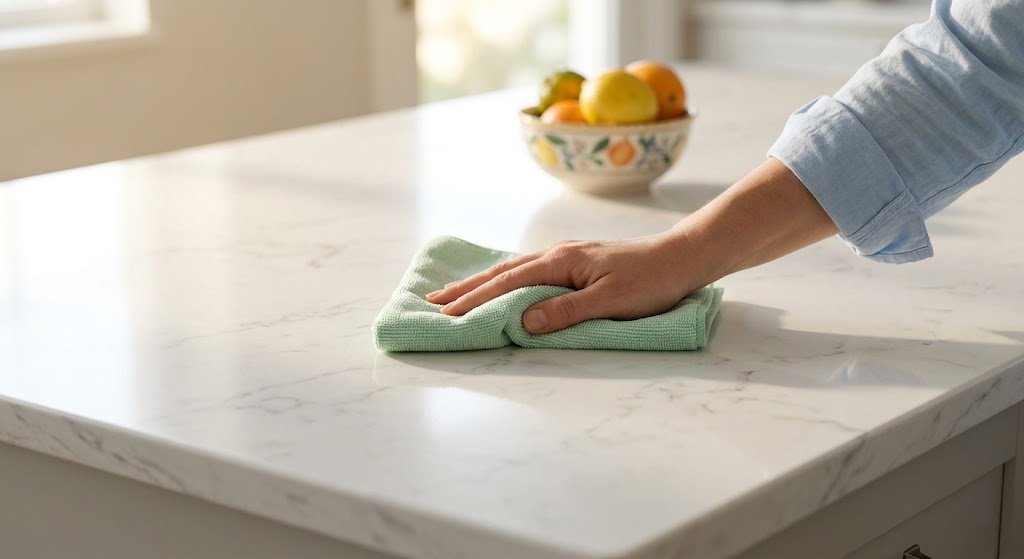
Mix equal parts distilled white vinegar and water in a spray bottle. Wipe down countertops, dining tables, and trash can lids daily. While humans only smell vinegar briefly until it dries, ants continue to detect the residual acidity and avoid the area completely.
[Image Placeholder 2]
4. Scatter Citrus Peels and Cinnamon
Spiders hate the acidic fragrance of citrus fruits, while ants actively avoid real ground cinnamon due to its natural compound, cinnamaldehyde Wikipedia.
How to Use Them Around the House
- Rub lemon or orange peels along window sills, door thresholds, and low bookshelves.
- Sprinkle ground Ceylon cinnamon across entry thresholds where worker ants enter.
- Place dried citrus cloves or cinnamon sticks inside pantry corners to keep stored dry goods bug-free.
5. Seal Cracks and Mechanical Entry Points
Physical exclusion is just as critical as natural repellents. No spray will work long-term if your exterior walls contain open gaps and unsealed utility penetrations.
Checklist for Sealing Your Home
- Inspect exterior brickwork, siding, and foundation lines for hairline cracks.
- Apply high-quality silicone or acrylic caulk around window frames and external door trim.
- Replace damaged door sweeps and repair torn mesh window screens.
- For comprehensive guidelines on sealing structure perimeters, consult [External Link: Insert high-authority external URL here with anchor text like EPA Integrated Pest Management Guidelines].
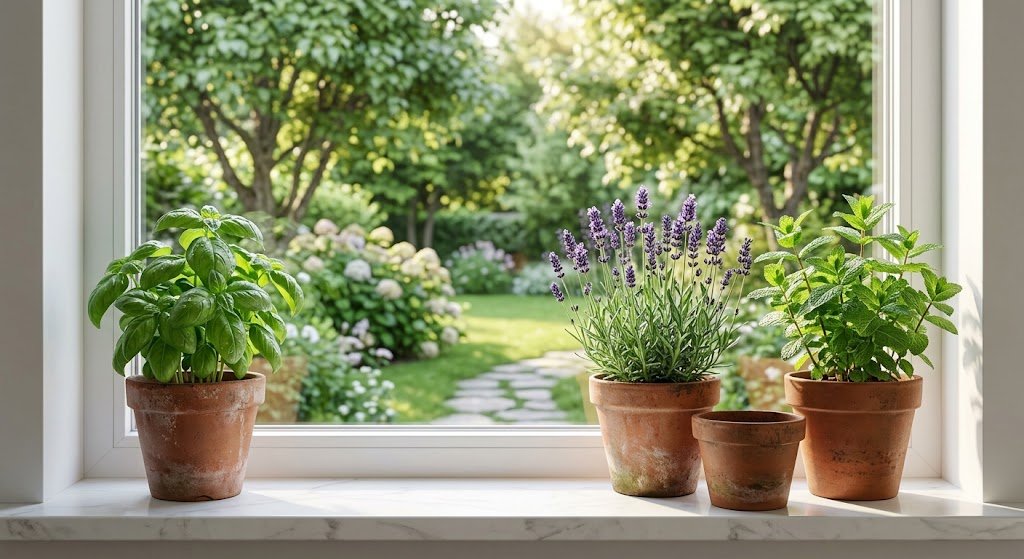
6. Grow Natural Insect-Repelling Plants
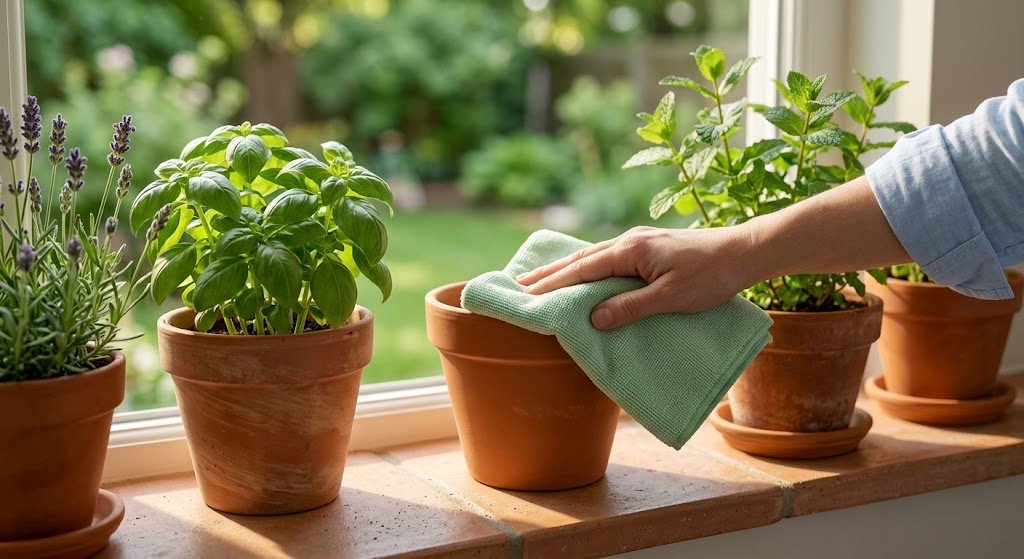
Strategically placing pest-deterring herbs around your entryways creates a living, green shield against unwanted bugs.
Top Plants That Repel Ants and Spiders
- Lavender: Produces linalool, which spiders and moths avoid.
- Basil: Keeps flies and ants away while offering fresh culinary herbs.
- Rosemary: Works exceptionally well when placed near patio doors and outdoor seating areas.
[Image Placeholder 3]
7. Control Humidity and Declutter Storage Areas
Spiders thrive in dark, undisturbed places where insect food sources hide. Reducing clutter and moisture eliminates their ideal hunting grounds.
- Store seasonal items in sealed plastic containers rather than cardboard boxes, which attract moisture and pests.
- Use a dehumidifier in damp basements or crawl spaces to keep humidity levels below 50%.
- Regularly vacuum behind heavy furniture, clear away stray spiderwebs with a long duster, and keep trash cans tightly capped.
For more insights on maintaining a pristine indoor environment, check out our companion guide on [Internal Link: Insert relevant internal URL here with anchor text like The Ultimate Home Deep Cleaning Checklist: Room-by-Room Guide].
Frequently Asked Questions (FAQs)
What is the single fastest natural way to keep ants and spiders out of your home?
Spraying a mixture of pure peppermint essential oil, water, and a drop of dish soap directly along entry doors, window sills, and baseboards is one of the fastest natural repellents available.
Is food-grade Diatomaceous Earth safe to use around dogs and cats?
Yes, food-grade Diatomaceous Earth is safe for household pets once settled. However, take care not to kick up clouds of powder during application, as fine dust can irritate human and animal respiratory tracts.
How often do I need to reapply natural pest repellents?
Because natural solutions like essential oils and vinegar evaporate over time, reapply spray mixtures once every 7 to 10 days, or immediately after washing floors and wiping down countertops.
Conclusion
Implementing natural ways to keep ants and spiders out of your home provides a safe, eco-friendly, and cost-effective alternative to harsh chemical treatments. By combining aromatic deterrents like peppermint oil and white vinegar with smart preventative habits—such as sealing cracks, controlling indoor moisture, and keeping counters clean—you can enjoy a comfortable, pest-free living environment year-round.
Leave a Reply