Introduction
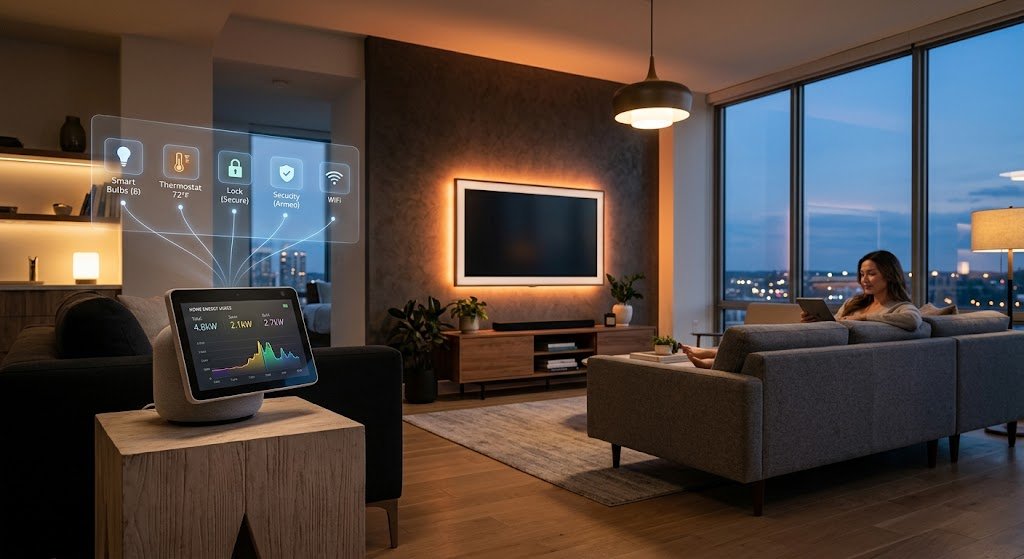
Entering the world of home automation can feel overwhelming with thousands of connected gadgets hitting the market. However, building an intelligent living space in 2026 is simpler, more reliable, and more affordable than ever before https://fibozin.com. Thanks to universal connectivity standards like the Matter protocol, devices across different brands now work together without frustrating setup hurdles.
Whether your goal is to lower energy bills, improve home security, or enjoy hands-free voice control, you don’t need a degree in computer science to get started. By focusing on essential smart home devices for beginners, you can transform your regular living space into an efficient, automated sanctuary step by step.
Here is your definitive guide to the 10 best starter devices that deliver maximum convenience with zero headache.
1. Smart Speakers & Displays: The Central Brain
Every connected home needs a command center, and a smart speaker or display is the most natural place to start. Devices powered by Amazon Alexa, Google Assistant, or Apple Siri allow you to control every other connected gadget using simple voice commands.
SmartZenHome
- Why it’s essential for beginners: It replaces multiple smartphone apps with simple voice commands. SmartZenHome
- Best Use Case: Set morning alarms, check the weather, play music, and turn off all house lights with a single phrase like “Goodnight.”
[Internal Link: Check out our complete guide on setting up your home network for smart devices]
2. Wi-Fi Smart Plugs: Upgrade Dumb Appliances Instantly
If you want the fastest, most affordable entry into home automation, smart plugs are the answer. By plugging a standard lamp, coffee maker, or fan into a smart plug, you instantly gain remote control and scheduling capabilities via your smartphone.
SmartZenHome+ 1
- Key Advantage: No wiring required; simply plug in and connect to your Wi-Fi network. CNET
- Top Feature: Energy monitoring models show you real-time power consumption, helping you spot energy vampires in your home.
3. Smart LED Light Bulbs: Ambiance & Automation
Replacing traditional incandescent bulbs with smart LED bulbs is one of the most satisfying upgrades for any new smart home owner. Smart bulbs offer custom dimming, scheduling, and millions of color options to suit any mood.
SmartZenHome
┌─────────────────────────────────────────────────────────────┐
│                 Smart Bulb Starter Benefits                 │
├──────────────────────────┬──────────────────────────────────┤
│ Feature                  │ Daily Life Benefit               │
├──────────────────────────┼──────────────────────────────────┤
│ Automated Scheduling     │ Lights turn on automatically     │
│                          │ at sunset to deter intruders.    │
├──────────────────────────┼──────────────────────────────────┤
│ Circadian Syncing        │ Cool daylight tones for work,    │
│                          │ warm amber tones for sleeping.   │
├──────────────────────────┼──────────────────────────────────┤
│ Color Scenes             │ Transform movie night with customized│
│                          │ room-wide backlighting scenes.   │
└──────────────────────────┴──────────────────────────────────┘
[Image Placeholder 1]

4. Smart Video Doorbells: Instant Front-Door Security
Knowing who is at your front door before opening it adds an immediate layer of safety. Smart video doorbells stream high-definition video directly to your phone, send motion alerts, and allow two-way audio communication with visitors or delivery drivers from anywhere in the world.
- Beginner Friendly: Most modern doorbells offer battery-powered, stick-on installation options that require zero electrical work.
5. Smart Thermostats: Effortless Energy Savings
Heating and cooling account for a major portion of home energy expenses. A smart thermostat learns your family’s routine, automatically adjusts temperatures when you leave, and lets you fine-tune climate settings remotely Wikipedia.
CNET
- ROI Factor: Most users recover the cost of a smart thermostat within the first year through lower power bills.
- Pro Tip: Look for models with remote room sensors to eliminate cold and hot spots throughout your home.
[External Link: Read ENERGY STAR’s independent guide on smart thermostat efficiency metrics]
6. Indoor & Outdoor Smart Security Cameras
Installing a comprehensive home security system used to require professional contracts and high costs. Today, standalone indoor and outdoor smart cameras provide 1080p or 2K live feeds, local cloud storage, and AI motion detection right out of the box.
- Key Features for Beginners: Look for cameras featuring night vision, built-in spotlights, and customizable detection zones to avoid false alerts caused by pets or passing traffic.
[Image Placeholder 2]

7. Smart Door Locks: Keyless Living
Say goodbye to fumbling for house keys with heavy grocery bags in hand. Smart door locks replace or retrofit your existing deadbolt, allowing you to unlock your door via passcode, fingerprint, smartphone app, or proximity detection.
- Guest Access: Easily issue temporary virtual keys or PIN codes to friends, cleaners, or house sitters without handing out physical keys.
- Auto-Lock Comfort: Set your lock to automatically engage 30 seconds after the door closes so you never have to wonder if you locked up.
8. Smart Motion & Contact Sensors
Sensors are the unsung heroes that turn simple remote control into true home automation. Motion sensors detect movement in rooms, while contact sensors attach to doors and windows to monitor whether they are open or closed.
SmartZenHome
- Sample Automation: Trigger hallway smart lights to turn on at 10% brightness when a motion sensor detects movement between 11 PM and 6 AM.
9. Smart Robot Vacuums: Hands-Free Floor Cleaning
Robot vacuums have evolved into highly capable smart home assistants. Modern entry-level models feature LiDAR navigation, app scheduling, precision mapping, and auto-empty dustbins.
BGR
- Why You Need It: Automate daily floor sweeps so you can keep hardwood and carpeted floors spotless without lifting a finger.
[Image Placeholder 3]

10. Smart Water Leak Detectors: Prevent Expensive Damage
Plumbing leaks can cause thousands of dollars in property damage before they are noticed. Compact smart leak sensors sit near washing machines, water heaters, and under sinks, sending immediate smartphone alerts the second moisture is detected.
- Peace of Mind: Essential for renters and homeowners alike, preventing hidden mold and water damage before it escalates.
How to Choose Your First Smart Home Ecosystem in 2026
Before purchasing individual items from these categories of essential smart home devices for beginners, pick a primary controlling app ecosystem:
SmartZenHome
- Amazon Alexa: Best for wide device compatibility and affordable hardware choices.
- Google Home: Excellent voice recognition powered by Google AI and seamless Android integration.
- Apple Home (HomeKit): Unmatched privacy, high security standards, and seamless integration with iPhone and Apple Watch.
The Matter Standard Advantage: Look for the Matter logo on product packaging. Matter ensures that a smart bulb or plug will connect smoothly regardless of whether you choose Alexa, Google, or Apple as your primary platform.
Conclusion
Upgrading your living space doesn’t mean changing every switch and outlet overnight. By starting with a few essential smart home devices for beginners—such as a smart speaker, a couple of smart plugs, and a video doorbell—you can immediately experience the comfort, energy savings, and peace of mind that home automation delivers. As you become comfortable, you can add sensors, climate controls, and smart lighting to build an ecosystem tailored to your lifestyle.
SmartZenHome
Frequently Asked Questions (FAQs)
Do I need high-speed Wi-Fi to use essential smart home devices?
Yes, a stable 2.4 GHz Wi-Fi network is required for most smart devices to communicate with your router and cloud services. If you plan to install more than 15–20 smart devices, consider upgrading to a mesh Wi-Fi system to avoid network congestion.
Are smart home devices hard to install for beginners?
Not at all. Most beginner-friendly gadgets like smart plugs, smart bulbs, and table-top smart speakers feature plug-and-play setup processes that take less than 5 minutes using a smartphone app.
SmartZenHome
Can smart home devices actually reduce my electricity bills?
Yes. Smart thermostats and automated lighting reduce power consumption by automatically powering down heating, cooling, and lights when rooms are unoccupied or during off-peak hours.
Let me know if you would like me to generate full blog post drafts for any of the other title ideas!
Leave a Reply