INTRODUCTION:
Understanding Electrical Safety Hazards in Older Homes
Living in a vintage or historic property offers unmatched architectural charm, but behind those classic plaster walls often lies an aging electrical system struggling to keep pace with modern technology. Homes built before the late 1980s were designed for a fraction of today’s power load. When modern refrigerators, high-end HVAC units, computers, and EV chargers are plugged into legacy circuits, hidden dangers can quickly emerge https://fibozin.com.
Identifying electrical safety hazards in older homes is not merely a matter of convenience—it is a critical step in residential fire prevention and shock mitigation. According to the National Fire Protection Association (NFPA), electrical distribution and lighting equipment account for tens of thousands of home fires each year, with aging installations carrying a disproportionate share of the risk.
Recognizing these vulnerabilities allows you to take actionable steps toward upgrading your home’s infrastructure before minor glitches turn into catastrophic failures.
Key Takeaways
- Outdated Wiring Risks: Aging knob-and-tube or single-strand aluminum wiring lacks proper grounding and can deteriorate, creating serious arc faults and fire dangers.
- Overloaded Electrical Panels: Vintage service panels (like 60-amp fuse boxes or obsolete breaker panels) struggle to handle modern electronic demands, leading to frequent trips and dangerous overheating.
- Lack of Shock Protection: Older homes frequently lack Ground Fault Circuit Interrupters (GFCIs) and Arc Fault Circuit Interrupters (AFCIs) near water sources and living spaces.
- Ungrounded Two-Prong Outlets: Outlets with only two prongs leave sensitive appliances and household occupants vulnerable to voltage spikes and electrical shocks.
Hazard 1: Outdated Wiring Systems (Knob-and-Tube & Aluminum)
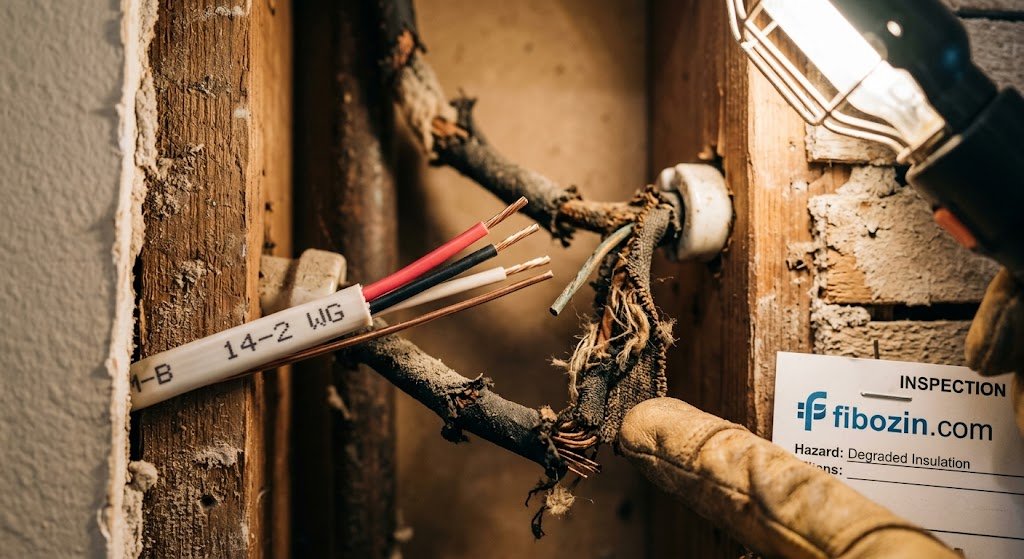
One of the most dangerous electrical safety hazards in older homes involves outdated branch wiring. Properties built prior to 1950 often contain knob-and-tube (K&T) wiring, a two-wire system wrapped in rubberized cloth insulation. Homes constructed during the 1960s and 1970s frequently used single-strand aluminum wiring due to copper shortages.
Why It Is Dangerous
- Knob-and-Tube: K&T wiring lacks a ground wire, making it incapable of channeling excess current safely. Over decades, the cloth-and-rubber insulation breaks down, crumbling away to leave bare, energized wires exposed inside walls and attics.
- Aluminum Wiring: Aluminum expands and contracts far more than copper when carrying heat. This thermal expansion causes wire connections at switches and outlets to loosen over time, leading to oxidation, high resistance, intense overheating, and potential electrical fires.
How to Fix It
- Schedule an Inspection: Have a certified electrician perform a thorough circuit tracing and thermal imaging assessment.
- Replace with Modern Copper (NM-B): The gold standard solution is to replace legacy wiring with modern, grounded copper non-metallic sheath cable (such as Romex).
- Pigtailing for Aluminum: If complete rewiring isn’t immediately feasible for aluminum circuits, a licensed electrician can install COPALUM connectors or specialized pigtails with copper wire leads at every junction box to stabilize the connection points.
[Image Placeholder 1]
Hazard 2: Obsolete or Undersized Electrical Panels
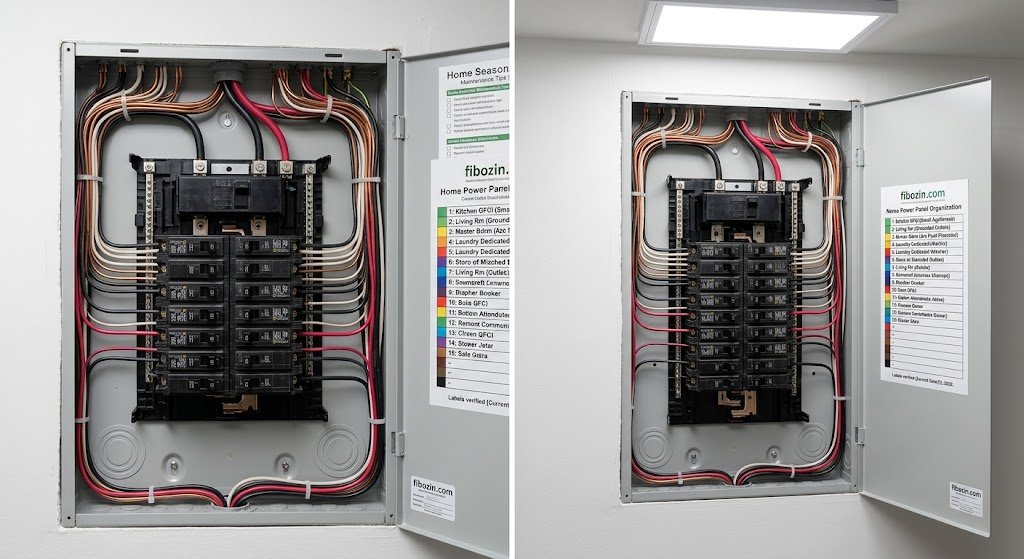
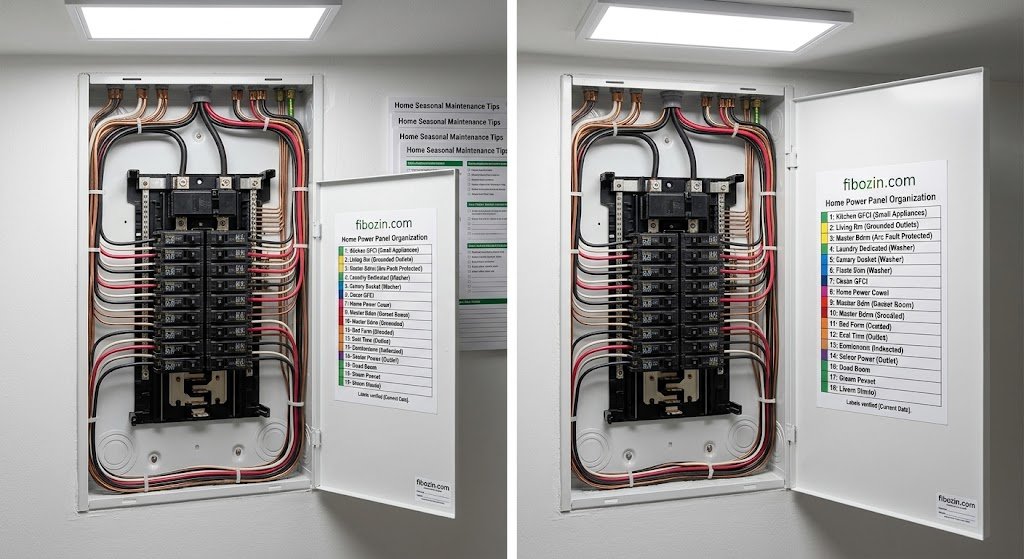
Your main service panel acts as the central brain of your home’s electrical grid, distributing power to every room. Older homes often rely on outdated fuse boxes or obsolete circuit breaker panels that were never engineered for modern wattage loads.
Why It Is Dangerous
Many mid-century homes operate on an outdated 60-amp or 100-amp electrical panel, whereas current residential code standards generally demand a minimum 200-amp service. Overloaded panels cause frequent breaker trips, voltage drops, flickering lights, and excessive thermal buildup.
Furthermore, specific vintage breaker panels—such as Federal Pacific Electric (FPE) Stab-Lok panels and Zinsco panels—are notorious for failing to trip during a short circuit or overcurrent event, creating an extreme fire hazard Wikipedia.
+--------------------------------------------------------------------------+
|                        Panel Capacity Comparison                         |
+--------------------------+-----------------------+-----------------------+
| ERA / TYPE               | AMPERAGE CAPACITY     | MODERN ADEQUACY       |
+--------------------------+-----------------------+-----------------------+
| Pre-1950 (Fuse Box)      | 30 - 60 Amps          | Severely Inadequate   |
| 1950s - 1970s Panels     | 60 - 100 Amps         | Marginal / Deficient  |
| Modern Standard Panel    | 200 Amps              | Fully Adequate        |
| High-Demand Heavy Smart  | 300 - 400 Amps        | Recommended for Heavy |
| Home Service             |                       | EV / Solar Loads      |
+--------------------------+-----------------------+-----------------------+
How to Fix It
- Upgrade Service Capacity: Replace outdated 60A or 100A panels with a 200-amp main breaker panel to provide ample capacity for current and future electrical demands.
- Replace Defective Brands: Immediately swap out known hazardous panel brands (FPE, Zinsco, or old fuse blocks) with modern, UL-listed breaker enclosures from reputable manufacturers.
Hazard 3: Lack of GFCI and AFCI Circuit Protection
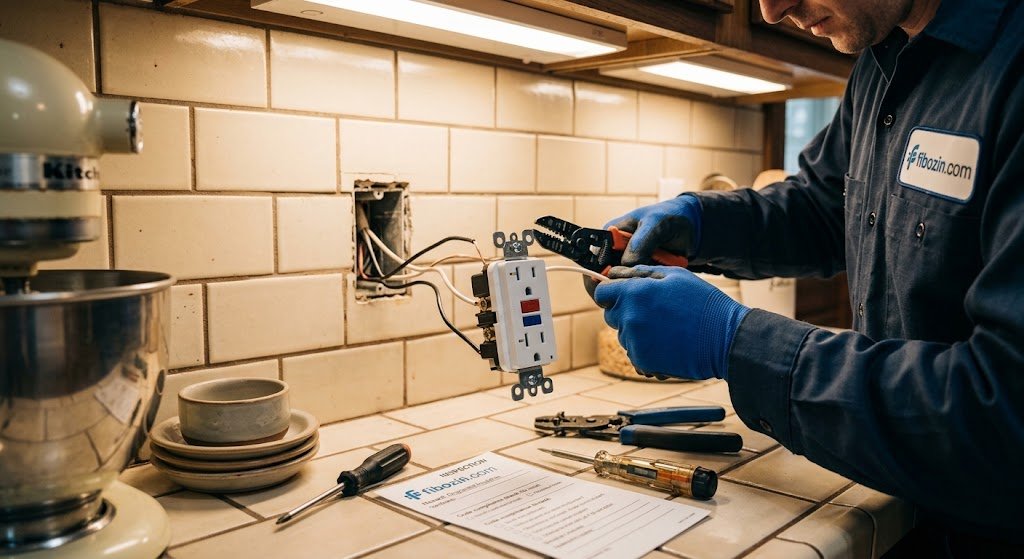
Ground Fault Circuit Interrupters (GFCIs) and Arc Fault Circuit Interrupters (AFCIs) are vital safety devices required by modern building codes. Older homes were built long before these specialized safety mechanisms became standard practice.
Why It Is Dangerous
- Missing GFCIs: A GFCI monitors current flow and instantly cuts power if electricity leaks along an unintended path (such as through water or a human body). Without GFCI protection in kitchens, bathrooms, basements, and outdoor areas, the risk of severe electric shock or electrocution is significantly higher.
- Missing AFCIs: Arcing occurs when electricity jumps across damaged or loose wire connections inside walls, generating extreme heat. Standard circuit breakers do not detect low-level arcing condition, leaving hidden wood framing vulnerable to ignition.
How to Fix It
- Install GFCI Outlets: Retrofit existing receptacles near sinks, counter spaces, bathrooms, garages, and exterior walls with GFCI outlets.
- Upgrade to Combination AFCI/GFCI Breakers: Have an electrician install dual-function AFCI/GFCI circuit breakers directly inside your main electrical panel. This provides whole-home arc and ground fault protection across all living space branch circuits.
[Image Placeholder 2]
Hazard 4: Ungrounded Two-Prong Outlets
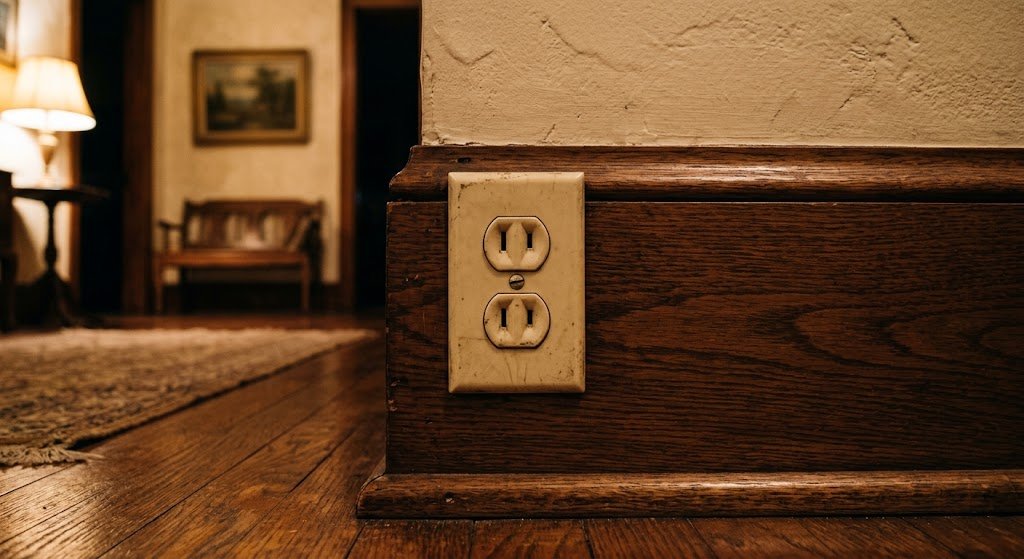
If your home’s walls are lined with traditional two-prong wall outlets, your electrical system lacks a continuous equipment grounding path.
                     [ Unsafe Two-Prong Outlet ]
                      /                       \
     No Ground Wire (Static Path)      Voltage Surge Hazard
                      \                       /
                [ Risk of Shock & Appliance Damage ]
Why It Is Dangerous
The third round prong on modern power cords connects directly to the system ground wire. Without this ground path, any internal short circuit inside a connected appliance—such as a microwave, power tool, or computer supply—can electrify the device’s exterior metal housing. Touching an electrified appliance can deliver a painful or fatal electric shock. Additionally, modern surge protectors require a ground wire to safely dump transient voltage surges away from delicate electronics.
Crucial Warning: Never use three-to-two-prong “cheater adapters” or physically cut off the ground prong on a power cord. Doing so bypasses essential safety mechanisms and creates an immediate electrocution hazard.
How to Fix It
- Rewire the Circuit with Grounding: The most comprehensive fix is running new three-wire cable from the panel to each outlet location.
- Install GFCI Outlets on Ungrounded Circuits: Under the National Electrical Code (NEC), you can replace ungrounded two-prong outlets with three-prong GFCI outlets, provided they are clearly labeled “No Equipment Ground.” While this protects occupants against electric shock, it does not provide surge grounding for sensitive electronics.
For additional detail on managing home infrastructure updates, see our comprehensive guide on [Internal Link: Insert relevant internal URL here with anchor text home maintenance planning].
Hazard 5: Overloaded Circuits and Overreliance on Extension Cords
Older homes were designed for an era when a bedroom might only feature a single lamp and a clock. Today, that same room may house a gaming setup, smart TV, air conditioner, and phone chargers simultaneously.
Why It Is Dangerous
When multiple high-wattage devices share a single branch circuit, the total electrical current can exceed the continuous conductor rating. To compensate for a lack of wall outlets, homeowners often daisy-chain extension cords or plug heavy appliances into power strips. Extension cords are intended solely for temporary use; using them permanently creates thermal degradation, insulation wear under foot traffic, and extreme fire risks.
How to Fix It
- Add Dedicated Circuits: Have an electrician install dedicated 15-amp or 20-amp branch circuits for major energy consumers like space heaters, microwave ovens, refrigerators, and window air conditioners.
- Install Additional Outlets: Expand the number of fixed wall receptacles in high-use rooms to eliminate the need for permanent extension cord setups.
- Practice Power Load Management: Spread high-wattage appliances across distinct circuits throughout the house.
[Image Placeholder 3]
When to Call a Licensed Electrician
While minor tasks—like replacing a light switch cover plate—are safe DIY projects, major electrical modifications require professional expertise. Working with high-voltage electricity presents severe personal risks and requires compliance with local building codes.
Contact a certified master electrician immediately if you experience any of the following warning signs:
- Outlets or switch plates that feel warm or hot to the touch.
- Persistent burning smells or faint buzzing sounds coming from behind walls or panels.
- Lights that flicker or dim visibly whenever large appliances turn on.
- Discolored, scorched, or charred outlet faceplates.
- Frequent circuit breaker tripping or blown fuses.
To review official electrical code standards and national residential guidelines, consult the [External Link: Insert high-authority external URL here with anchor text National Electrical Code (NEC) guidelines].
Conclusion
Addressing electrical safety hazards in older homes is one of the most effective investments you can make to protect your property and loved ones. From eliminating outdated knob-and-tube or aluminum wiring to upgrading your panel and adding GFCI/AFCI protection, proactive steps ensure your historic home reliably satisfies modern power needs. Don’t wait for a dangerous fault to occur—schedule a comprehensive electrical safety inspection today to identify hidden risks and keep your home safe for years to come.
Frequently Asked Questions (FAQs)
What are the main signs of electrical safety hazards in older homes?
Common red flags include flickering lights, frequently tripped circuit breakers, warm or discolored outlet covers, burning odors near switches, and two-prong ungrounded outlets.
How much does it cost to fix electrical safety hazards in older homes?
Costs vary depending on the scope of the project. Installing individual GFCI outlets may cost between $150 and $300, while a full electrical panel upgrade typically ranges from $1,500 to $4,000. Complete whole-home rewiring for a historic house can range from $6,000 to $15,000+ depending on square footage.
Can I plug a three-prong appliance into a two-prong outlet using an adapter?
While adapter plugs (“cheater plugs”) physically fit, they do not provide a functional equipment ground unless connected to a verified grounded junction box. Relying on them permanently increases shock and surge hazards for plugged-in electronics.
Do I need to completely rewire my older house if it has knob-and-tube wiring?
While complete replacement with modern copper cable is recommended for optimal safety and insurance compliance, localized upgrades, adding AFCI/GFCI protection, and eliminating active connections in hazardous zones can mitigate immediate risks. Consult a licensed electrician for a tailored safety plan.
Leave a Reply