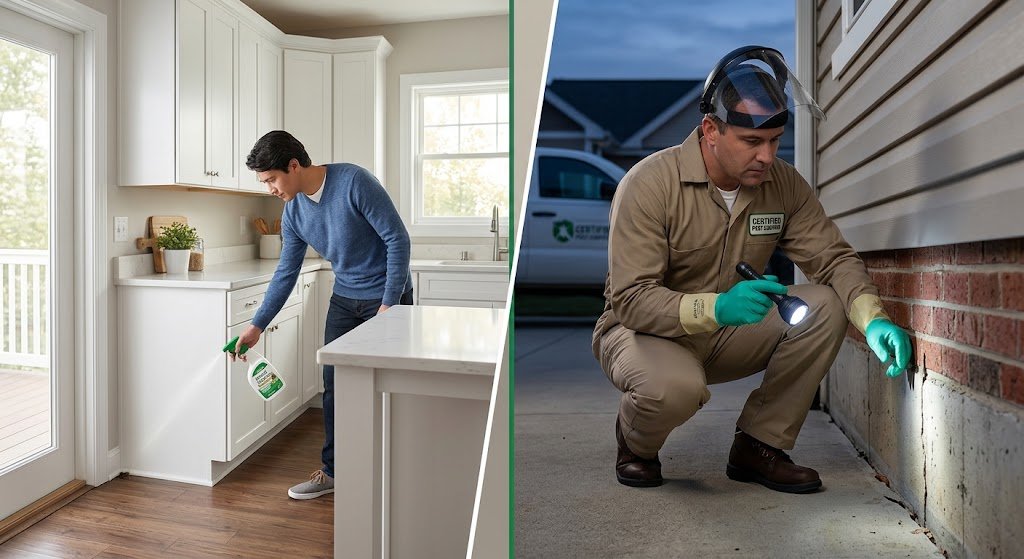
When unwanted pests invade your living space, deciding how to handle the situation is often a choice between taking a hands-on approach or seeking specialized service. Weighing DIY vs. professional pest control helps homeowners protect their property efficiently while keeping costs and health risks under control https://fibozin.com.
While minor, temporary pest visits—such as a few stray ants in spring or fruit flies around produce—can easily be managed with simple home remedies, full-scale infestations require specialized knowledge and commercial equipment. Understanding when to implement self-help remedies and when to hire trained exterminators saves valuable time, money, and stress.
Key Takeaways
- Scope of Infestation: Minor, isolated insect sightings suit store-bought traps or natural repellents; widespread or structural pests require certified technicians.
- Cost vs. Value: DIY methods carry low initial costs but can become expensive if ineffective treatments allow infestations to grow unchecked.
- Safety Concerns: Commercial pest control technicians undergo training to handle chemical applications safely around pets, children, and indoor environments.
- Long-Term Prevention: Professional exterminators address underlying entry points, nesting sites, and environmental drivers rather than simply treating visible surface pests.
1. Understanding DIY Pest Control: Pros, Cons, and Best Uses
Over-the-counter pest control products have improved significantly, providing accessible options for quick, localized pest management.
When DIY Pest Control Works Best
- Seasonal Ant Trails: Wiping down surfaces and using borax-based bait stations to clear worker ants.
- Fruit Flies and Gnats: Setting up vinegar traps or cleaning drain traps to eliminate breeding grounds.
- Occasional Spiders or Beetles: Vacuuming corners, clearing cobwebs, and sealing small door cracks.
The Drawbacks of DIY Methods
While store-bought sprays and traps offer immediate convenience, they primarily target visible pests on surface areas. Most consumer sprays act as contact killers without eliminating the hidden nest, queen, or colony behind walls and subflooring.
[Image Placeholder 1]

2. When to Choose Professional Exterminators
Certain pests pose significant risks to structural safety, property value, and family health. In these scenarios, comparing DIY vs. professional pest control strongly favors calling licensed specialists.
High-Risk Pests That Require Professionals
- Termites and Carpenter Ants: These wood-destroying organisms weaken structural timbers internally, often causing thousands of dollars in damage before symptoms appear.
- Bed Bugs: Extremely resilient and quick to multiply, bed bugs require targeted heat treatments or specialized chemical applications to eradicate all life stages.
- Rodents (Rats and Mice): Rodents carry pathogens, contaminate food, and chew electrical wiring, creating dangerous fire hazards.
- Stinging Insect Nests: Removing large hornet or yellow jacket nests near rooflines or inside wall cavities poses severe injury risks without proper safety gear Wikipedia.
3. Comparing Costs: Immediate Price vs. Long-Term Value
Evaluating DIY vs. professional pest control requires looking beyond immediate out-of-pocket expenses.
| Feature | DIY Pest Control | Professional Pest Control |
|---|---|---|
| Upfront Cost | Low ($15 – $50 for basic sprays/baits) | Moderate to High ($100 – $300+ depending on infestation) |
| Time Investment | High (Requires frequent monitoring and reapplication) | Low (Technicians perform inspection and treatment) |
| Treatment Depth | Surface-level / Contact killing | Root-cause eradication & nest treatment |
| Guarantees | None | Service warranties & free re-treatments |
| Safety Risk | Misapplication of chemicals by non-experts | Trained handling following strict safety protocols |
For standard regulations on safe chemical handling and integrated pest management, refer to the [External Link: Insert high-authority external URL here with anchor text like National Pest Management Association Guidelines].
[Image Placeholder 2]

4. Safety and Health Considerations
Improper application of store-bought insecticides can contaminate indoor air, leave toxic residues on surfaces, or endanger household pets.
Professional exterminators use Integrated Pest Management (IPM) practices—a strategic method prioritizing inspection, sanitation recommendations, physical exclusion, and minimal, targeted chemical use.
If you prefer non-chemical alternatives before scheduling an inspection, check out our guide on [Internal Link: Insert relevant internal URL here with anchor text like 7 Natural Ways to Keep Ants and Spiders Out of Your Home].
[Image Placeholder 3]

How to Decide: A Quick Checklist
To determine whether to handle pest control yourself or call an expert, ask these three questions:
- Has the issue persisted despite DIY treatments? If pests return after 1–2 weeks of self-treatment, an active colony or hidden entry point exists.
- Is there structural damage or health risk involved? Termites, bed bugs, and rodents should always be inspected by professionals immediately.
- Are you unsure of the pest species? Misidentifying insects leads to using incorrect baits or sprays, which can spread the infestation further.
Frequently Asked Questions (FAQs)
Is DIY vs. professional pest control really worth the price difference?
Yes, professional pest control is worth the investment for severe, hidden, or structural infestations like termites, bed bugs, and rodents. Professionals possess commercial-grade treatments, advanced equipment, and guarantees that prevent recurring costs.
Can DIY treatments worsen a pest infestation?
Certain store-bought aerosol foggers (“bug bombs”) cause pests like bed bugs or German cockroaches to scatter deeper into walls and adjacent rooms, making the total infestation harder to eliminate.
How often should a home receive professional pest inspections?
Most home maintenance experts recommend scheduling an annual or bi-annual professional pest inspection to detect early signs of wood-destroying insects and seal perimeter gaps before seasonal bugs enter.
Conclusion
Understanding the balance between DIY vs. professional pest control helps you take effective action when pests appear. While small, surface-level bug sightings can be handled quickly with eco-friendly remedies or store-bought traps, persistent, destructive, or health-threatening pests require the knowledge and tools of certified exterminators. Taking proactive steps today ensures your home remains safe, healthy, and bug-free year-round.
Leave a Reply