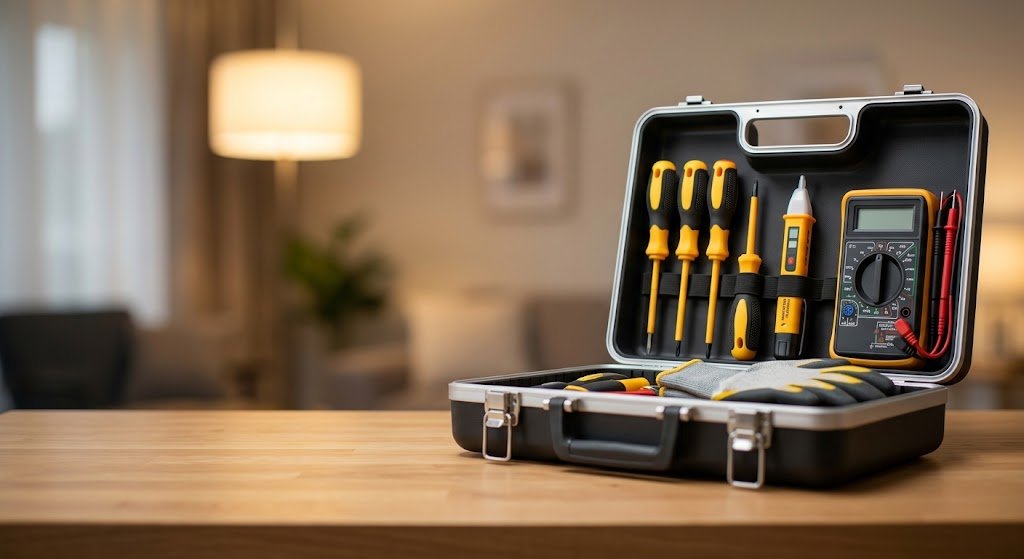
Flickering overhead lights, a dead wall outlet, or a circuit breaker that trips every time you plug in a space heater can immediately disrupt your day. For most homeowners, any electrical glitch triggers instant concern over safety and costly emergency service calls. While complex wiring projects, main panel upgrades, and high-voltage line repairs strictly demand a licensed professional, learning how to fix household electrical issues safely can save you hundreds of dollars while keeping your living space fully functional.
Navigating home electrical repairs requires strict safety protocols, the right basic tools, and an understanding of how your home’s basic circuits operate.https://fibozin.com/ By following fundamental safety guidelines—such as always cutting power at the breaker and verifying zero voltage before touching any wires—you can troubleshoot and resolve everyday electrical problems with complete confidence.
Key Takeaways
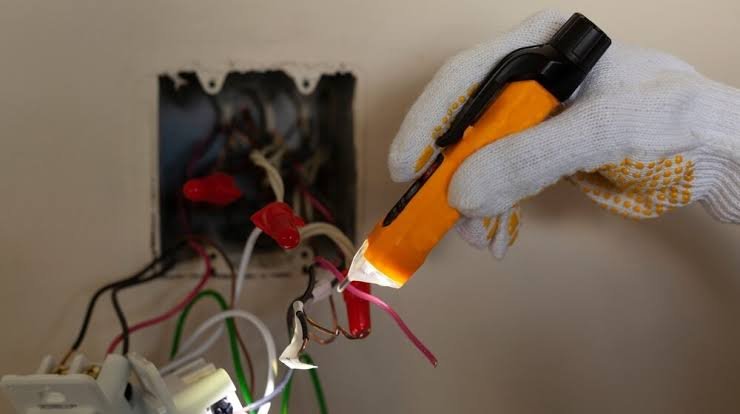
- Safety First: Always turn off power at the main breaker panel and verify zero current using a non-contact voltage tester before touching electrical components.
- Identify the Culprit: Tripped breakers, overloaded outlets, and loose wire connections cause over 80% of routine home electrical disruptions.
- GFCI Outlets Save Time: A tripped Ground Fault Circuit Interrupter (GFCI) outlet often cuts power to downstream standard outlets. Resetting it instantly restores power.
- Know Your Boundaries: Never attempt main panel replacements, 240V appliance wiring, or aluminum wire modifications without a licensed electrician.
Safety Protocols Before You Begin Any DIY Repair
Before touching a single wire or outlet faceplate, establishing a zero-risk workspace is essential. how to fix household electrical issues safely Electricity gives no second chances, making preparation the most critical phase of any DIY troubleshooting task.
Essential DIY Safety Checklist
- Shut Off the Circuit Breaker: Go to your main service panel and switch off the breaker controlling the specific room or circuit you are working on.
- Verify with a Voltage Tester: Touch a non-contact voltage tester to the outlet slots, wire connectors, or switch terminals to confirm no electric current is present.
- Use Insulated Hand Tools: Always work with insulated screwdrivers and pliers rated for electrical maintenance.
- Keep Working Conditions Dry: Never perform electrical work with damp hands or while standing on wet concrete or tiled floors.
[External Link: National Electrical Code (NEC) safety guidelines for home wiring standards]
1. How to Reset Tripped Breakers and Blown Fuses
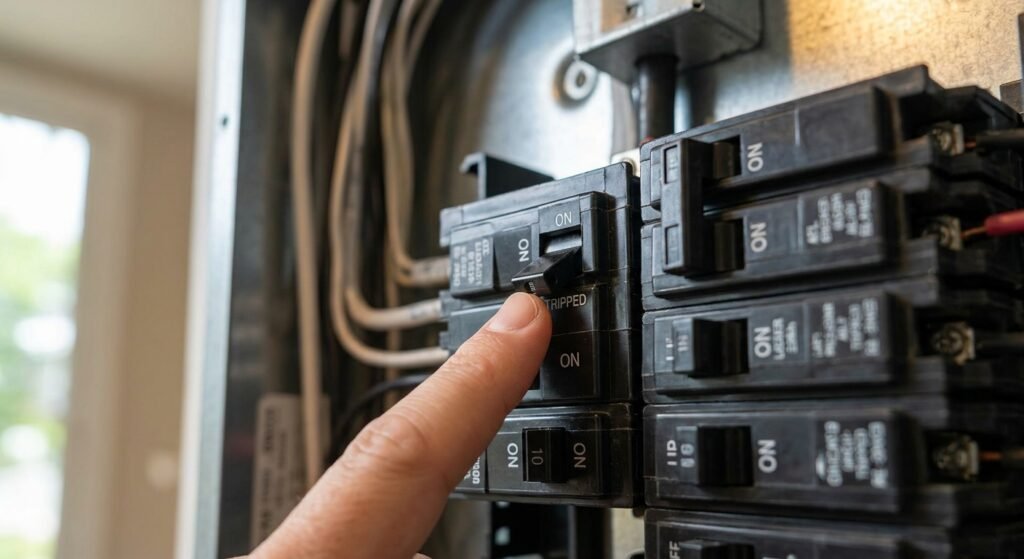
A sudden power outage in a single room usually points to a tripped circuit breaker rather than a wiring failure. Modern breakers trip automatically to prevent circuit overloading and potential electrical fires.
Step-by-Step Reset Procedure
- Locate the Breaker Panel: Open your main breaker box and look for a switch positioned between the “On” and “Off” positions, or displaying a red/orange marker.
- Turn Off Connected Devices: Unplug high-wattage appliances (such as space heaters or microwaves) on that circuit to prevent an immediate re-trip.
- Reset the Switch: Firmly push the breaker switch all the way to the “OFF” position first, then flip it back to “ON”.
If the breaker trips again immediately, you are either dealing with an overloaded circuit or a direct short circuit that requires deeper inspection.
2. Troubleshooting Dead Outlets and Tripped GFCI Receptacles
If a wall plug suddenly stops delivering power, the issue is frequently linked to a Ground Fault Circuit Interrupter (GFCI) installed upstream on the same circuit line.
How to Fix a Non-Responsive Plug
- Check Neighboring Outlets: Inspect nearby bathrooms, kitchens, or outdoor areas for a GFCI outlet (identifiable by “Reset” and “Test” buttons on its faceplate).
- Press the Reset Button: Press the RESET button firmly until it clicks into place. This frequently restores power to all standard outlets downstream.
- Inspect Wire Connections: If resetting the GFCI does not work, turn off the power breaker, unscrew the outlet cover plate, and check for loose screw terminals or backstabbed wires that have slipped out of position.
3. Fixing Flickering or Buzzing Light Fixtures
Flickering lights are more than a minor nuisance; they can indicate loose bulb contact, incompatible dimmer switches, or fluctuating voltage levels across your home.
Primary Causes and Simple Fixes
| Problem | Root Cause | Easy DIY Solution |
| Single bulb flickers | Loose or worn bulb threads | Turn off light, allow to cool, tighten bulb or clean socket contacts with a dry cloth |
| Multiple lights flicker | Loose neutral wiring at switch | Cut circuit power, remove switch plate, tighten wire terminal screws counterclockwise |
| LED lights buzz | Incompatible dimmer switch | Replace old incandescent dimmer with a modern LED-compatible dimmer switch |
| Lights dim when appliances start | Temporary voltage drop | Move high-draw appliances to a dedicated circuit |
4. Replacing Damaged Light Switches and Outlets
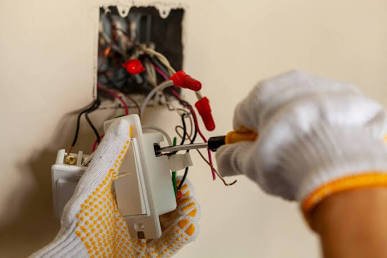
Cracked faceplates, loose plug retention, or warm-to-the-touch switches indicate wear and tear that should be addressed promptly.https://www.wikipedia.org/
Step-by-Step Replacement Method
- Disconnect Power: Flip the breaker off and verify zero voltage at the outlet using your non-contact tester.
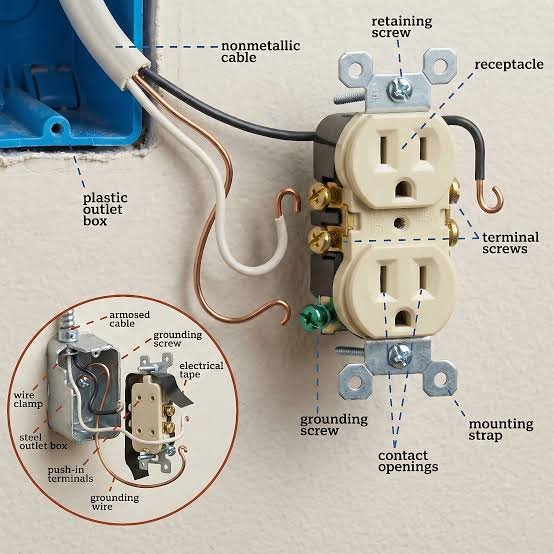
- Remove Faceplate and Screws: Unscrew the wall plate and gently pull the outlet or switch mechanism out of the junction box.
- Map and Transfer Wires: Take a quick photo of the original wire placement for reference:
- Black Wire: Connects to the brass terminal screw (Hot).
- White Wire: Connects to the silver terminal screw (Neutral).
- Bare or Green Wire: Connects to the green grounding screw (Ground).
- Secure and Reassemble: Wrap wires clockwise around terminal screws, tighten securely, press the outlet back into the junction box, and replace the wa
When to Stop DIY and Call a Licensed Electrician
Knowing your personal limits is essential when attempting to fix common household electrical issues safely. Stop work and call a certified electrician immediately if you observe any of the following warning signs:
- Burning smells or visible scorch marks around outlets or breaker boxes.
- Persistent sparks when plugging in appliances.
- Aluminum wiring (common in homes built between 1965 and 1973), which requires specialized crimping connectors.
- Humming or buzzing sounds originating directly from inside the main electrical panel.
Conclusion
Learning how to fix common household electrical issues gives you greater control over your home’s maintenance while saving money on unnecessary service visits. From resetting tripped GFCI receptacles to replacing worn wall switches and fixing flickering LED fixtures, most everyday electrical glitches can be resolved with basic tools and careful attention to safety protocols. Always prioritize safety above speed, verify zero voltage before touching any wires, and know when a complex issue requires a licensed professional.
Frequently Asked Questions (FAQs)
Why does my outlet feel warm when an appliance is plugged in?
An outlet feeling warm usually points to loose internal wire connections or an overloaded circuit. Unplug connected devices immediately, turn off power at the breaker, fix household electrical issues safely and inspect terminal connections or replace the outlet receptacle.
How do I know if a circuit breaker has blown or failed completely?
A breaker that refuses to reset, feels spongy when toggled, smells scorched, or shows visible burn marks has likely failed internally and needs replacement by a qualified professional.
Can I replace a 2-prong outlet with a modern 3-prong outlet myself?
Replacing a 2-prong plug with a 3-prong outlet requires a dedicated ground wire inside the junction box. If no ground wire exists, you must either install a GFCI outlet labeled “No Equipment Ground” or have an electrician run grounded wiring to the box.