
Few things are as instantly annoying—or concerning—as a sudden flicker in your home lighting. Whether it’s a quick bat of the eyes from your kitchen pendant or a persistent strobe effect in the hallway, Common Causes and When to Call an Electrician can range from a minor cosmetic annoyance to a glaring warning sign of an underlying electrical hazard https://fibozin.com.
Understanding what causes these fluctuations helps you separate harmless quirks from dangerous electrical faults. In this comprehensive guide, we’ll explore why your lights are acting up, how to diagnose the issue, and when it is time to bring in a licensed professional.
Key Takeaways
- Bulb Issues: A loose bulb or incompatible dimmer switch is the most common and harmless cause of flickering.
- Appliance Interference: High-draw appliances (like refrigerators or HVAC units) pulling startup current can cause momentary voltage drops.
- Wiring Problems: Loose wire connections or overloaded circuits pose serious fire risks and require immediate electrician intervention.
- Grid-Level Fluctuations: Utility provider issues or weather events can cause neighborhood-wide voltage instability.
1. Simple Bulb and Fixture Issues
Before suspecting a wiring disaster, check the most basic components of your lighting setup.
Loose Bulbs
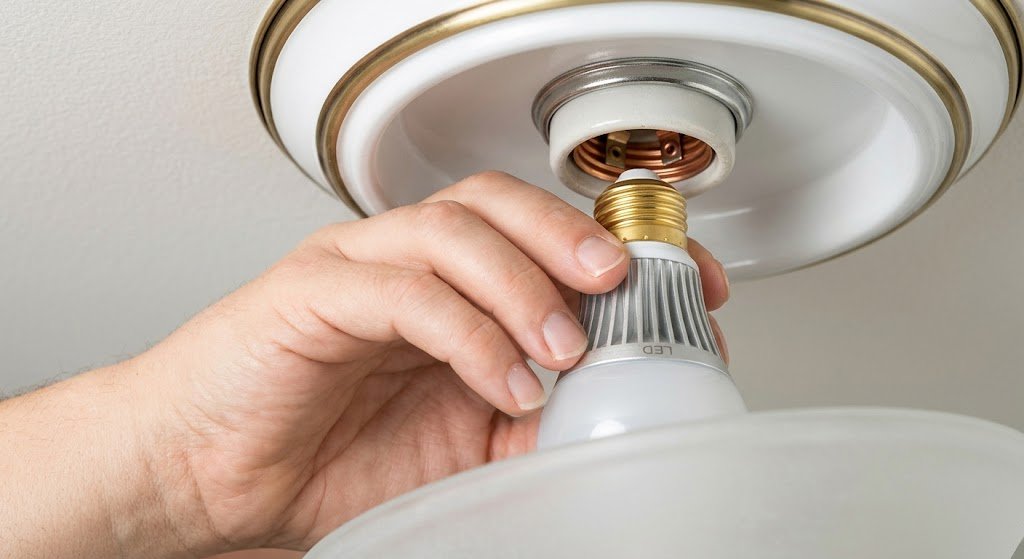
If a single light bulb flickers, it may simply be screwed in too loosely. As vibrations from walking or closing doors ripple through the house, a loose connection interrupts the electrical circuit intermittently.
Incompatible Dimmers and LEDs
Upgrading to energy-efficient LED bulbs without updating your dimmer switch is a frequent culprit. Traditional incandescent dimmers require a minimum electrical load to function properly. When paired with low-wattage LEDs, they often cause the bulb to flicker, hum, or fail prematurely.
[Image Placeholder 1]
2. Voltage Drops from Major Appliances
Do your kitchen lights dim or flicker every time the refrigerator compressor kicks on or the central air conditioner starts up?
This phenomenon is known as a voltage drop. Large motor-driven appliances draw a massive surge of electricity when they power on. If your home’s electrical system is sharing circuits inefficiently or if the main service panel is strained, that sudden demand temporarily starves other fixtures of voltage. While occasional dimming during heavy appliance usage is normal in older homes, persistent or severe flickering points toward a circuit overload.
- [Internal Link: Insert relevant internal URL here with anchor text about managing home electrical loads]
3. Loose or Aging Wiring Connections
When flickering affects multiple lights across different rooms, or entire circuits randomly lose power, the root cause is often found within your home’s wiring infrastructure.
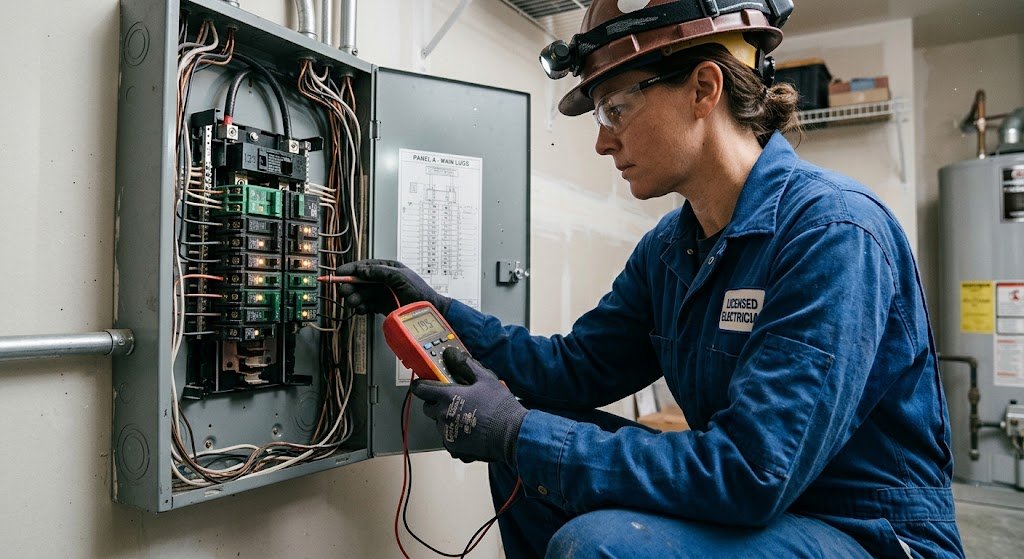
Over time, thermal expansion and contraction can cause wire nuts, terminal screws, and service panel connections to loosen. Furthermore, older homes built with aluminum wiring (common in the 1960s and 1970s) are particularly susceptible to oxidation and loose connections at outlets and switches, creating dangerous resistance heating.
[Image Placeholder 2]
4. Service Provider and Grid Issues
Sometimes, the problem isn’t inside your walls at all. If you notice your entire neighborhood experiencing flickering lights, or if it happens exclusively during heavy wind storms, the issue lies with your local utility provider https://www.atlassian.com.
Frayed utility lines, damaged transformers, or a loose service drop (the cable running from the utility pole to your home) can introduce unstable voltage into your property.
- [External Link: Insert high-authority external URL here with anchor text on understanding electrical grid stability from IEEE or NFPA]
When to Call an Electrician Immediately
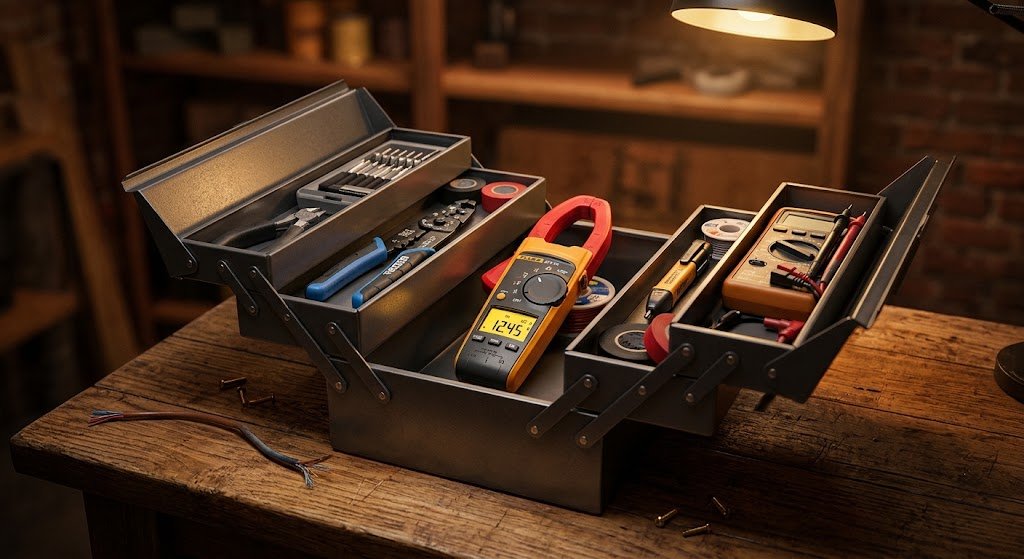
While a loose lightbulb is a quick DIY fix, certain symptoms demand the immediate attention of a licensed, professional electrician. Ignoring these warning signs can result in electrical fires or severe equipment damage.
[Image Placeholder 3]
Call a professional right away if you notice:
- Sparking or Burning Odors: Any visible sparks near outlets, switches, or the breaker panel, accompanied by a distinct burning plastic or ozone smell.
- Discolored or Warm Outlets: Switchplates or wall outlets that feel hot to the touch or show brown scorch marks.
- Persistent Strobe Effects: Unexplained, rapid flashing that persists regardless of bulb replacement or switch adjustments.
- Crackling Sounds: Audible buzzing, humming, or crackling coming from your walls or electrical panel.
Conclusion
Dealing with lights flickering can be frustrating, but taking a systematic approach helps you identify whether you’re dealing with a simple loose bulb or a critical wiring issue. Always prioritize safety—never attempt DIY electrical repairs beyond replacing standard bulbs or plugging in fixtures. When in doubt, consult a qualified electrician to ensure your home remains safe, efficient, and up to code.
Frequently Asked Questions (FAQs)
Why are my lights flickering throughout the whole house?
Flickering throughout the entire house usually indicates a major issue, such as a loose neutral wire in the main service panel, a problem with the utility company’s transformer, or an overloaded service drop. This requires professional diagnosis.
Can LED bulbs cause flickering lights?
Yes. If you use non-dimmable LED bulbs on a dimmer switch, or use LEDs that are incompatible with your existing dimmer model, they will frequently flicker, buzz, or strobe.
Is a flickering light a fire hazard?
It can be. While a loose bulb is harmless, flickering caused by loose wire connections, arcing, or overloaded circuits generates excessive heat, which is a leading cause of electrical fires.
How much does it cost to fix flickering lights?
Costs vary widely depending on the root cause. Replacing a faulty switch or tightening a fixture may cost very little, whereas rewiring a circuit or upgrading an electrical panel can range from a few hundred to several thousand dollars.
Leave a Reply