Introduction
Lighting is one of the most transformative elements in interior design, yet it is often overlooked during home renovations. Beyond simply selecting stylish fixtures, knowing perfect color temperature for every room in your house directly impacts your home’s ambiance, functionality, and daily well-being https://fibozin.com.
Color temperature describes the warm or cool appearance of light emitted by a bulb, measured in Kelvin (K). Installing the wrong color temperature—such as harsh, clinical white lights in a cozy bedroom or dim, yellow bulbs above a kitchen workspace—can strain your eyes and disrupt room aesthetics. By tailoring light temperatures to the specific activities of each living space, you create a harmonious, energy-efficient home tailored for work, rest, and entertainment Wikipedia.
Key Takeaways
- Understanding Kelvin (K): Light color temperature is measured on the Kelvin scale—lower ratings (2000K–3000K) produce warm, relaxing light, while higher ratings (4000K–6500K) deliver cool, energized illumination.
- Relaxation vs. Task Zones: Living rooms and bedrooms benefit from warm white light to promote restfulness, whereas kitchens, home offices, and bathrooms require neutral-to-cool white light for focus and clarity.
- Circadian Rhythm Impact: Exposure to cool, blue-tinted light during the day supports alertness, while warm light in the evening encourages natural melatonin production for better sleep.
- Layered Lighting Flexibility: Combining ambient, task, and accent lighting with dimmers allows you to adjust room color temperature and brightness according to time of day.
What Is Color Temperature and the Kelvin Scale?
Before selecting bulbs, it is essential to understand how the Kelvin scale measures lighting appearance. Color temperature ranges from warm yellow to cool blue light:
- Soft/Warm White (2000K – 3000K): Emits a warm, yellowish glow similar to candlelight. Ideal for intimate, cozy, and relaxing living areas.
- Bright/Neutral White (3500K – 4100K): Produces a clean, neutral white light with minimal yellow or blue tint. Perfect for workspaces, kitchens, and bathrooms.
- Cool White / Daylight (5000K – 6500K): Emits a intense, crisp blue-white light mimicking direct daylight. Best suited for utility spaces, garages, and precise task lighting.
+--------------------------------------------------------------------------+
|                     The Kelvin Color Temperature Scale                   |
+-------------------+-----------------------+------------------------------+
| KELVIN RATING (K) | LIGHT CHARACTERISTIC  | RECOMMENDED ROOM USAGE       |
+-------------------+-----------------------+------------------------------+
| 2200K - 2700K     | Soft Warm / Amber     | Bedrooms, Living Rooms       |
| 3000K - 3500K     | Warm White / Neutral  | Dining Rooms, Hallways       |
| 4000K - 4500K     | Cool / Bright White   | Kitchens, Bathrooms, Offices |
| 5000K - 6500K     | Daylight / Blue White | Garages, Basements, Craft    |
|                   |                       | Workstations                 |
+-------------------+-----------------------+------------------------------+
How to Choose the Perfect Color Temperature for Every Room
Every room in your home serves a distinct purpose, requiring a targeted lighting strategy. Below is a room-by-room breakdown to help you select the exact Kelvin rating for your needs.
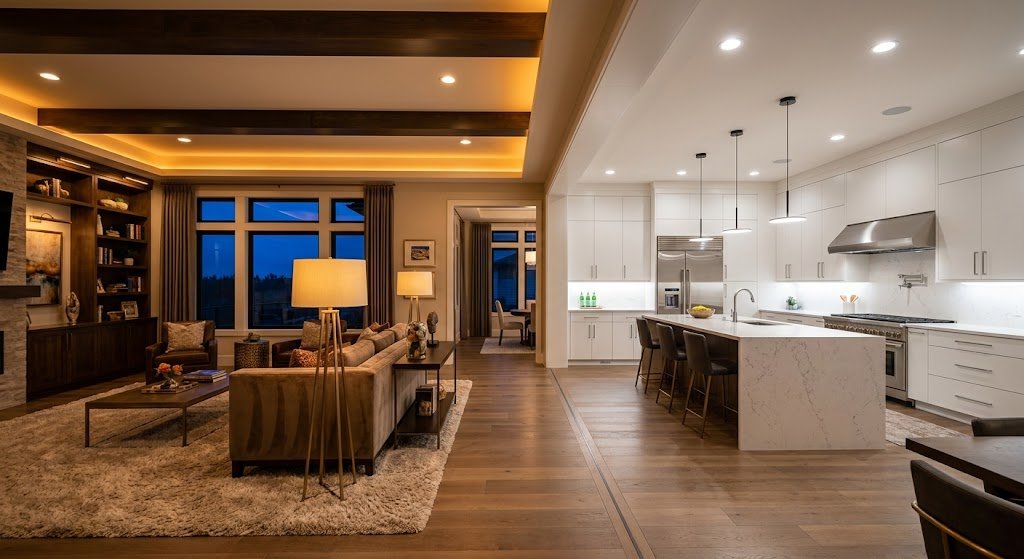
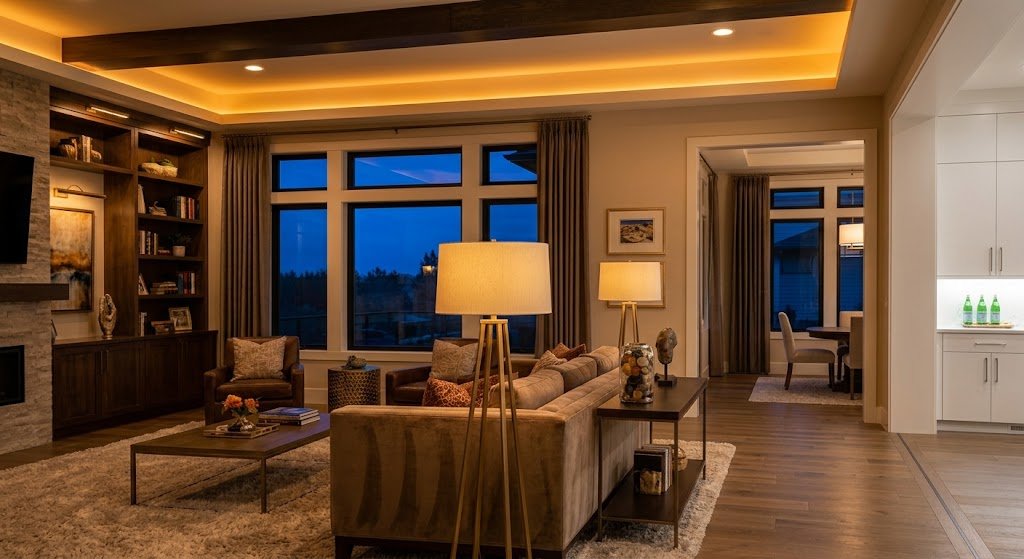
1. The Living Room: Cozy Warmth (2700K – 3000K)
The living room is a sanctuary for relaxation, entertaining guests, and spending family time. Warm white lighting around 2700K creates an inviting atmosphere that flatters skin tones and warm wood furniture. Use floor lamps, table lamps, and dimmable recessed lights to maintain a relaxed vibe during evening hours.
[Image Placeholder 1]
2. The Kitchen: Functional & Bright (3500K – 4000K)
As the central culinary hub of the home, kitchens demand clean, shadow-free task lighting for cooking and meal preparation. A neutral-to-cool white light (3500K to 4000K) ensures accurate color rendering when inspecting food freshness and reading recipes. Under-cabinet LED strip lights paired with overhead recessed cans provide complete coverage.
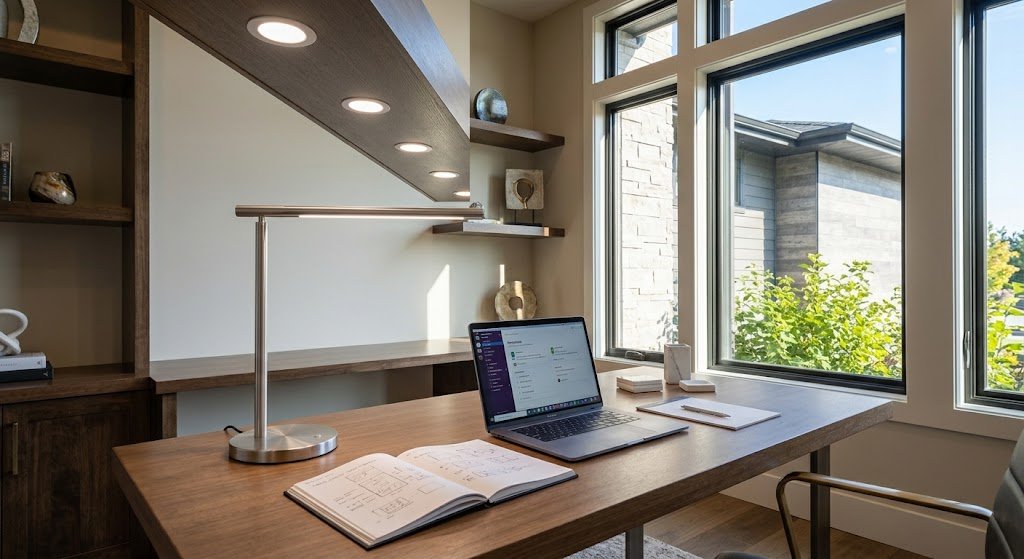
3. The Home Office: Focused Productivity (4000K – 5000K)
When designing a high-efficiency workspace, understanding how to choose the perfect color temperature for every room in your house is key to preventing fatigue. Cool white or daylight bulbs (4000K to 5000K) mimic morning sunlight, reducing eye strain and promoting mental alertness during long work hours.
To explore additional ways to streamline your household tech and lighting controls, check out our guide on [Internal Link: Insert relevant internal URL here with anchor text – home automation and smart lighting systems].
[Image Placeholder 2]
4. Bedrooms: Peaceful Rest (2200K – 2700K)
Bedrooms require lighting that aids relaxation and prepares your body for sleep. Exposure to high-Kelvin blue light in the evening suppresses melatonin output, making it harder to fall asleep. Opt for soft warm white bulbs (2200K–2700K) in bedside lamps and sconces to foster a calming, sanctuary-like environment.
5. Bathrooms: Crisp & Accurate (3500K – 4000K)
Bathroom vanity lighting requires high clarity for grooming, applying makeup, and shaving. Neutral white bulbs (3500K–4000K) with a high Color Rendering Index (CRI) ensure skin tones are represented naturally without casting unnatural yellow or blue shadows.
Layering Lighting and Smart Tunable Solutions
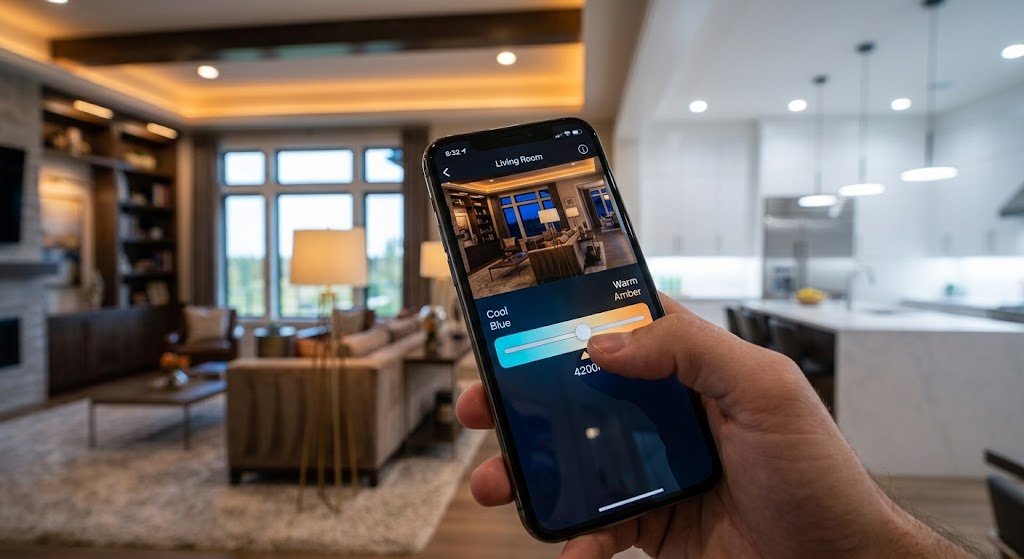
Rather than locking each room into a single static color temperature, modern smart lighting systems offer dynamic flexibility. Tunable white LED bulbs allow you to adjust Kelvin settings from 2000K to 6500K on demand using a mobile app or voice control. This allows your home office or kitchen to shift automatically from energizing cool white during the day to soothing warm white as night approaches.
For detailed industry research regarding human-centric lighting and biological wellness, read the guidelines provided by the [External Link: Insert high-authority external URL here with anchor text – Illuminating Engineering Society (IES) residential standards].
[Image Placeholder 3]
Conclusion
Mastering how to choose the perfect color temperature for every room in your house bridges the gap between interior aesthetics and practical functionality. By matching lower Kelvin ratings (2200K–3000K) with relaxation spaces like bedrooms and living rooms, and deploying cooler ratings (3500K–5000K) in productivity zones like kitchens and home offices, you optimize your home for comfort, efficiency, and well-being. Evaluate your current fixtures today and start tailoring your lighting to fit your lifestyle.
Frequently Asked Questions (FAQs)
What is the best all-around color temperature for a home?
If you prefer a consistent look throughout open-concept spaces, 3000K (Warm White) is widely considered the ideal compromise. It offers a clean, inviting balance that works well in living rooms, kitchens, and hallways alike.
Does higher Kelvin mean a bulb is brighter?
No. Kelvin measures light color, not brightness. Light brightness is measured in lumens. A 3000K bulb and a 5000K bulb emitting 800 lumens will produce the exact same amount of total light, though the 5000K bulb will appear visually sharper due to its blue tint.
Can I mix different color temperatures in the same room?
Yes, provided it is done intentionally through layered lighting. For example, you can use warm ambient recessed lighting (3000K) in a kitchen alongside cooler under-cabinet task lighting (4000K) for food prep. However, avoid putting bulbs with different Kelvin ratings inside the exact same light fixture.
What color temperature is best for reading?
For daytime reading or focused studying, cool white light between 4000K and 5000K boosts contrast and clarity. For evening reading before sleep, a warmer 2700K bulb is recommended to avoid disturbing your sleep cycle.
Leave a Reply