Introduction
Protecting your home from hidden structural damage requires recognizing critical termite warning signs before an active infestation escalates. Termites cause billions of dollars in property damage annually, often operating silently behind drywall, under flooring, and inside wooden framing for months or even years without obvious external clues.
Whether you suspect active subterranean termites or simply want to safeguard your investment, learning to identify early structural red flags is essential for every homeowner. By conducting routine perimeter checks and recognizing early indicators, you can address activity before repairs become costly https://fibozin.com.
Key Takeaways
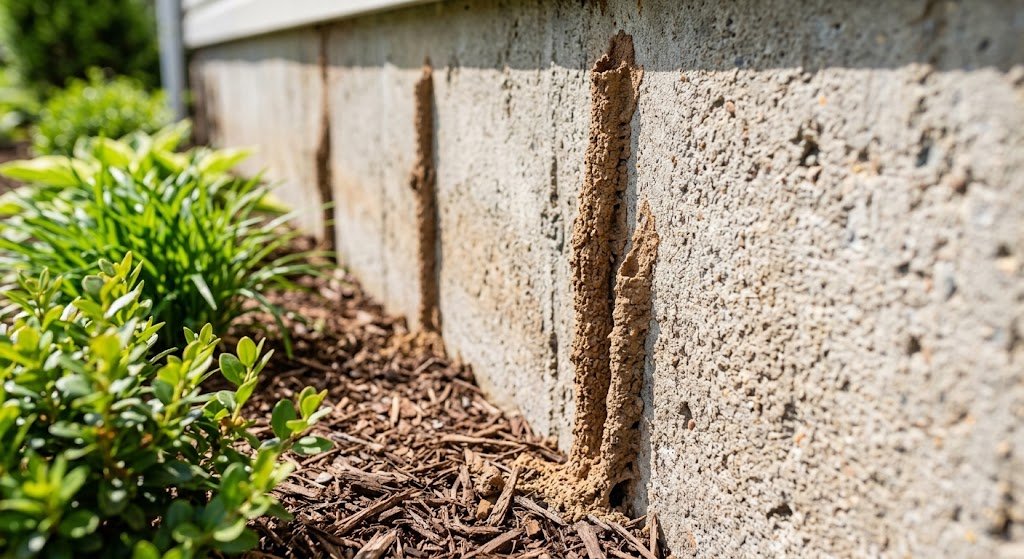
- Check Mud Tubes: Subterranean termites build pencil-thin mud tubes along foundation walls to maintain moisture while traveling.
- Watch for Swarmers: Discarded translucent wings near window sills and light fixtures signal a mature termite colony nearby.
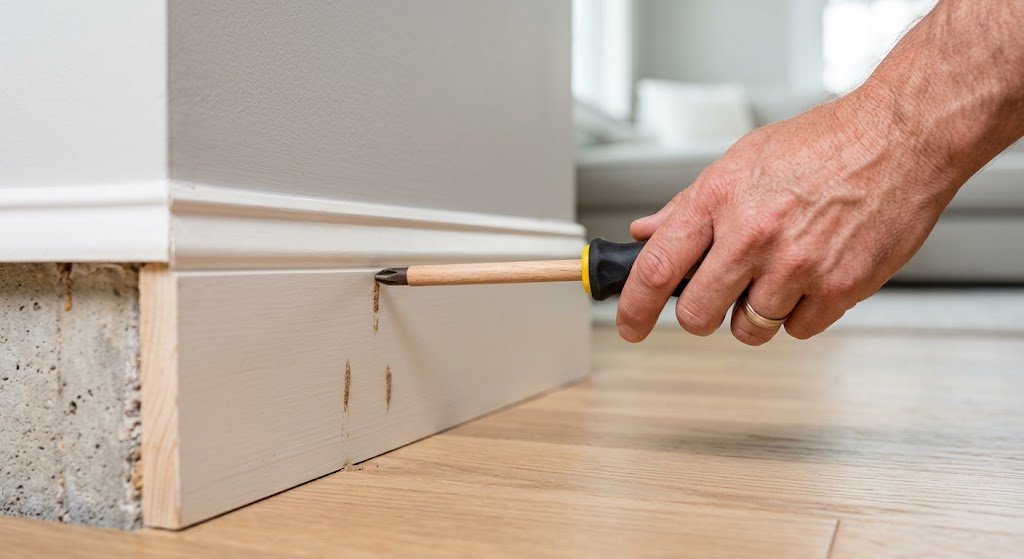
- Listen for Hollow Wood: Damaged wooden trim, baseboards, or floor joists sound hollow when tapped and may show blistered surfaces.
- Act Quickly: Early detection combined with professional soil treatments or baiting systems prevents major structural degradation.
1. Visual Indicators: Mud Tubes, Wings, and Droppings
Most homeowners first notice termites through external traces left behind during feeding or reproductive swarming cycles.
Mud Tubes on Foundations
Subterranean termites construct mud tubes—pencil-sized tunnels made of soil, wood particles, and saliva—to protect themselves from dry air and predators. Inspect exposed foundation walls, crawl space piers, and support beams for these dark brown lines running vertically from soil to wood structure.
Discarded Swarmer Wings
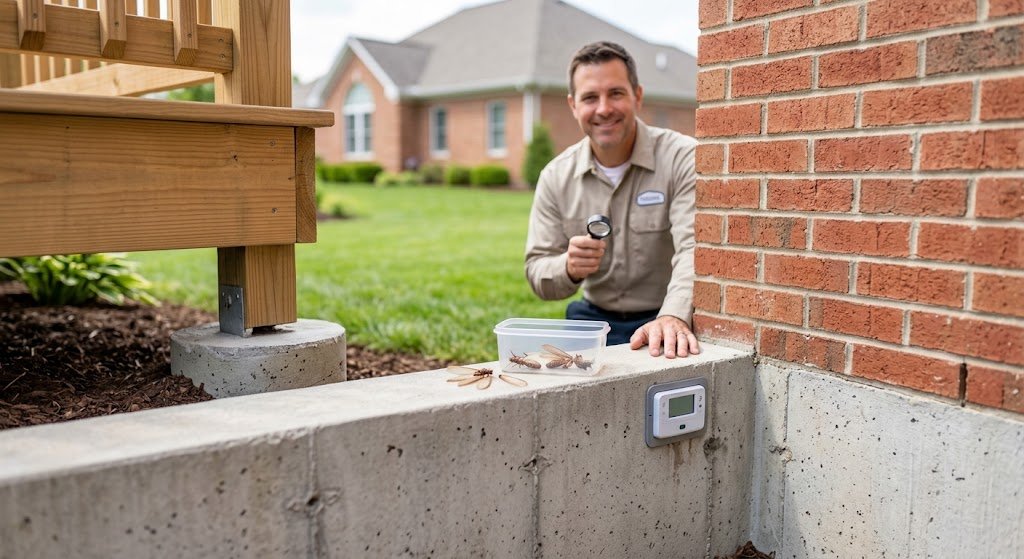
During warm spring days, reproductive termites (“swarmers”) fly out to establish new colonies. Shortly after mating, they shed their wings. Finding small piles of translucent, equal-sized wings on window sills, door frames, or countertops is one of the most reliable termite warning signs.
Frass (Drywood Termite Droppings)
Unlike subterranean termites, drywood termites live inside wood structures and push their waste out through small kick-out holes. Look for tiny, oval-shaped pellets that resemble coffee grounds or sawdust piled beneath exposed beams or furniture.
[Image Placeholder 1]
2. Structural Symptoms: Blistered Paint, Sagging Floors, and Hollow Wood
As termites feed on cellulose from the inside out, they compromise the integrity of wooden components throughout your home.
Hollow-Sounding Timber & Blistered Surfaces
Tap wooden door frames, baseboards, and floor joists with the handle of a screwdriver. Healthy timber produces a solid thud, whereas termite-damaged wood sounds hollow or papery. In severe cases, paint on top of damaged wood may blister, bubble, or resemble water damage.
Tight Doors and Jammed Windows
As subterranean termites bring moisture into wood cavities while tunneling, structural framing swells. If doors or windows suddenly become difficult to open or stick tight against their frames, it can indicate internal moisture accumulation from termite activity.
For national standards on identifying structural timber pests and environmental safety regulations, review the [External Link: Insert high-authority external URL here with anchor text like EPA Termite Control and Inspection Standards].
[Image Placeholder 2]
3. High-Risk Areas to Inspect Around Your Home
To catch infestations early, routinely examine high-moisture zones where wood directly contacts soil or retains humidity.
- Crawl Spaces and Basements: Check wooden floor joists, sills, and support posts for shelter tubes or soft wood.
- Exterior Siding & Porches: Maintain at least a 6-inch gap between soil and exterior wood siding or wooden deck posts.
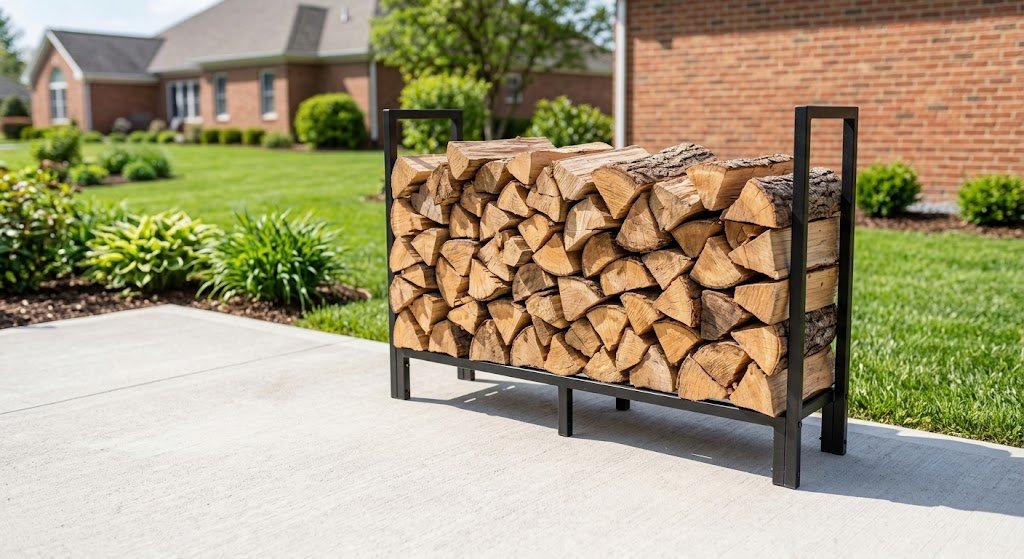
- Landscaping Borders: Inspect wooden garden edging, firewood piles, and thick wood mulch beds resting against foundation walls.
To learn how to protect your home’s exterior perimeter during seasonal maintenance, see our detailed [Internal Link: Insert relevant internal URL here with anchor text like Spring Pest Control Checklist: How to Seal and Protect Your House].
[Image Placeholder 3]
Early Termite Detection Checklist
| Inspection Area | What to Look For | Risk Level |
|---|---|---|
| Foundation Walls | Vertical mud shelter tubes, hairline concrete cracks | High |
| Windows & Doors | Piles of shed translucent wings, sticking frames | High |
| Baseboards & Trim | Blistered paint, hollow sound when tapped, soft spots | Medium |
| Attic & Beams | Small piles of frass (pellets), damaged timber | Medium |
| Yard & Perimeter | Direct wood-to-soil contact, wet mulch against siding | Low to Medium |
If you are evaluating whether to handle pest issues independently or hire a licensed specialist, refer to our comparison guide on [Internal Link: Insert relevant internal URL here with anchor text like DIY vs. Professional Pest Control: When Should You Call the Experts?].
Frequently Asked Questions (FAQs)
What are the earliest termite warning signs in a house?
The earliest signs usually include finding discarded swarmer wings on window sills during spring, spotting mud tubes along foundation walls, or discovering small piles of frass (termite droppings) beneath wooden fixtures https://www.atlassian.com.
How do I tell the difference between termite damage and water damage?
Water damage often causes wood to swell, feel soft, and smell musty, accompanied by dark water staining. Termite damage creates hollowed-out channels inside timber that follow the wood grain, often accompanied by mud residue inside the galleries.
Can termites be present without showing obvious warning signs?
Yes. Subterranean termites often feed deep inside wall cavities and structural floor joists without breaking the outer layer of wood or paint, allowing infestations to go unnoticed for extended periods until a professional inspection is conducted.
Conclusion
Recognizing termite warning signs early is the single best way to protect your home from severe structural damage. By routinely inspecting high-risk areas—such as foundation walls, crawl spaces, and exterior wood surfaces—and addressing mud tubes or discarded wings immediately, you can keep your property safe, secure, and pest-free.
Leave a Reply