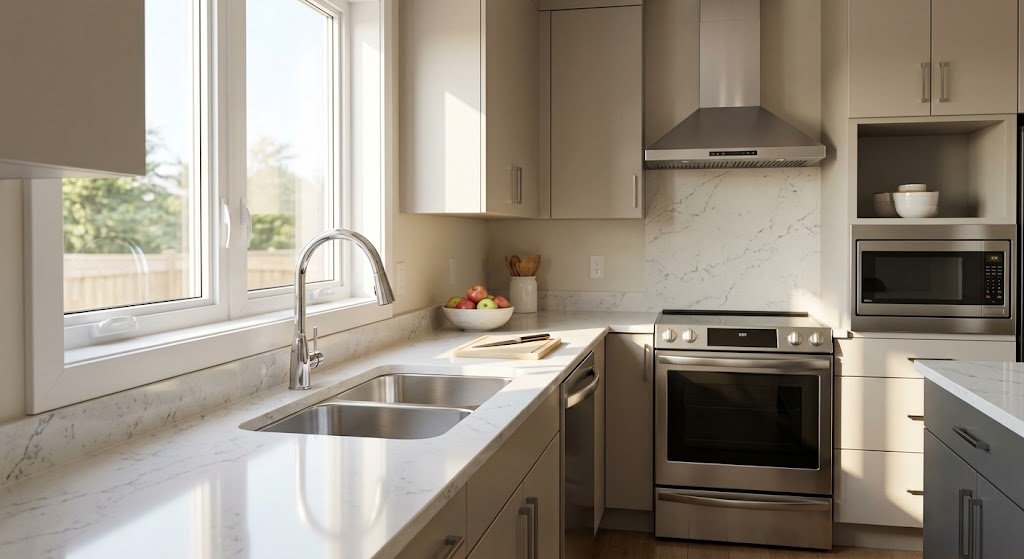
Maintaining a pristine home environment starts in the heart of your home, making a master guide to kitchen sanitation essential for every homeowner. The kitchen is uniquely vulnerable: high humidity, organic food scraps, and residual grease create ideal conditions for lingering odors, bacteria growth, and pest infestations if left unaddressed https://fibozin.com.
Achieving true kitchen hygiene goes beyond surface wipedowns. By establishing a structured routine that systematically degreases cooking zones, deodorizes garbage disposals and drains, and removes pest attractants, you keep your kitchen safe, inviting, and hygienic year-round.
Key Takeaways
- Target Grease Early: Residual grease on stove hoods and backsplashes attracts airborne dust and acts as a primary scent lure for insects.
- Neutralize Biofilm & Odors: Clean sink drains, garbage disposals, and trash cans regularly using organic enzymatic cleaners or baking soda solutions to stop odor-causing bacteria.
- Deny Pests Food & Water: Store dry pantry items in airtight glass or rigid plastic containers, and fix leaky under-sink plumbing immediately.
- Adopt a Dual Approach: Combine daily surface maintenance with weekly deep-cleaning tasks to prevent heavy soil buildup.
1. Conquering Kitchen Grease: Hoods, Stovetops, and Backsplashes
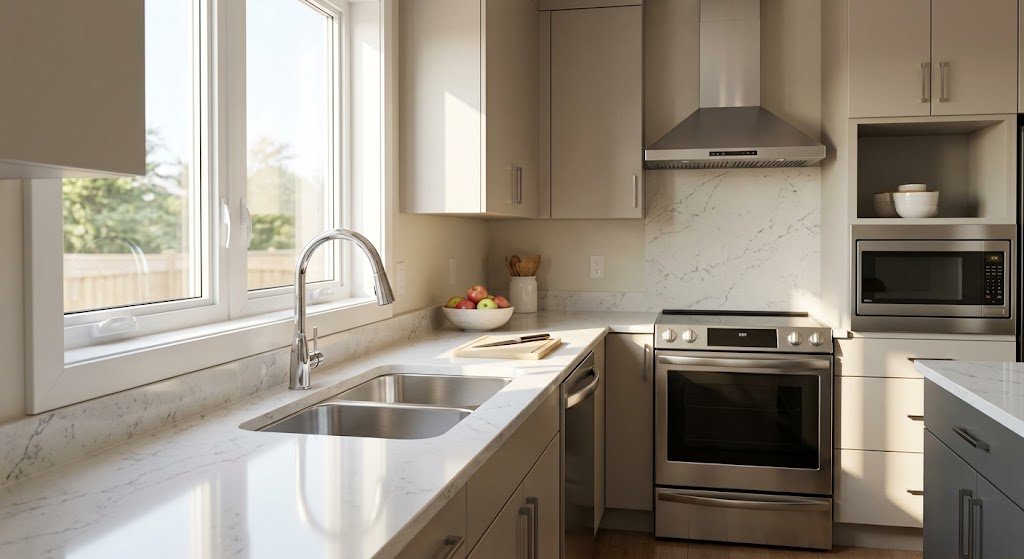
Grease accumulation is one of the most persistent kitchen sanitation challenges. Over time, vaporized oils from cooking settle on cabinet tops, range hoods, and backsplashes, trapping grime and creating a sticky residue.
Degreasing Range Hood Filters and Exhaust Fans
- Soak in Boiling Water: Remove stainless steel or aluminum mesh filters and submerge them in hot water mixed with 1/2 cup of baking soda and a heavy-duty degreasing dish soap.
- Scrub Non-Abrasively: After soaking for 15 minutes, gently scrub remaining residue using a soft-bristle brush, rinse thoroughly, and let air dry completely before reinstallation https://www.atlassian.com.
Cleaning Stovetops and Tile Backsplashes
Apply a natural degreasing spray made of warm water, white vinegar, and a few drops of dish soap or citrus oil. Allow it to dwell on grease splatters for 3–5 minutes before wiping clean with a microfiber cloth.
[Image Placeholder 1]
2. Eliminating Stubborn Kitchen Odors: Drains, Garbage Disposals, and Trash Cans
Kitchen odors usually stem from decaying food particles trapped in hidden moist areas like disposal blades, sink traps, and refrigerator door gaskets.
Deodorizing Sink Drains and Disposals
- Baking Soda & Vinegar Flush: Pour 1/2 cup of baking soda down the drain followed by 1 cup of white vinegar. Allow the fizzing action to break down organic buildup for 10 minutes, then flush with hot water.
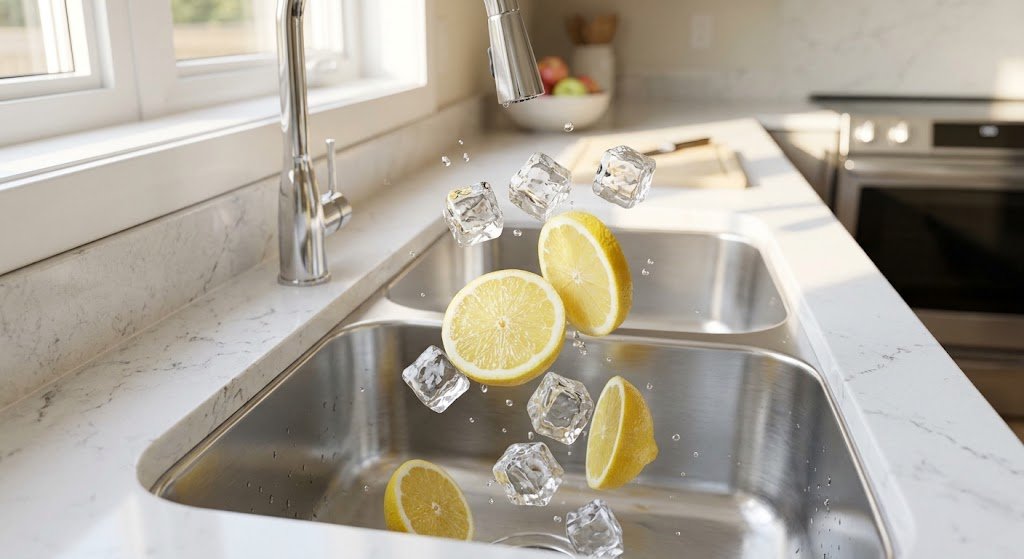
- Citrus & Ice Grind: Drop citrus peels (lemon or orange) and ice cubes into the garbage disposal, running cold water while operating the unit to sharpen blades and strip residual slime.
Deep Cleaning Trash Receptacles
Even with trash bags, leaks occur. Wash indoor trash cans monthly with warm soapy water and an disinfectant spray. Ensure bins dry completely before reinserting new liner bags to prevent mold spore formation.
For authoritative guidelines on proper food safety and sanitation standards, consult the [External Link: Insert high-authority external URL here with anchor text like USDA Kitchen Companion Safety and Sanitation Guide].
[Image Placeholder 2]
3. Integrated Pest Prevention: Depriving Pests of Food and Water
Cockroaches, ants, and fruit flies enter kitchens seeking two main necessities: food particles and moisture. Implementing strict sanitation procedures removes these primary drivers.
Pantry Management and Food Storage
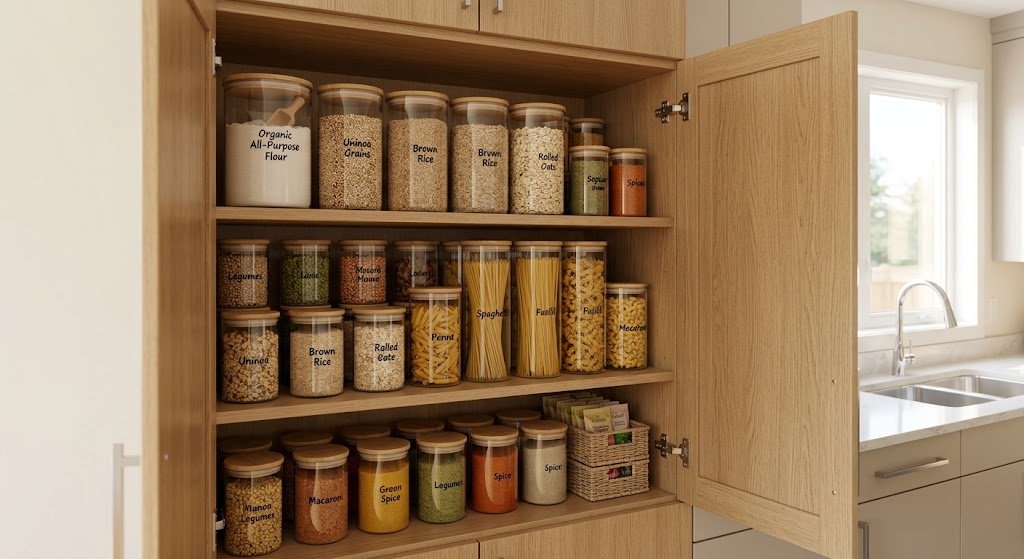
- Airtight Storage: Transfer cereal, flour, sugar, and pet food into sealed glass jars or BPA-free plastic containers to prevent pantry moths and ants from gaining access.
- Routine Shelf Wipdowns: Vacuum crumbs out of pantry corners and wipe down shelving with an eco-friendly multi-surface cleaner monthly.
Moisture Control Under the Sink
Regularly inspect under-sink plumbing fittings and drain pipes for slow leaks or condensation. Fix dripping pipe joints immediately and place absorbent mats under plumbing fixtures to keep cabinet bases completely dry.
To learn more about tackling specific pest infestations using non-toxic solutions, read our article on [Internal Link: Insert relevant internal URL here with anchor text like Natural Ways to Keep Ants and Spiders Out of Your Home].
[Image Placeholder 3]
Kitchen Sanitation Master Checklist
| Frequency | Sanitation Task | Target Area |
|---|---|---|
| Daily | Wipe down countertops, sweep floors, rinse sink basin, empty compost/trash | Countertops, Sinks, Floors |
| Weekly | Sanitize sponges, mop floors, wipe cabinet fronts, clean microwave interior | Appliances, Flooring |
| Monthly | Degrease range hood filters, deodorize disposal, clean trash cans, inspect pantry | Range Hood, Drains, Storage |
| Seasonally | Deep clean refrigerator coils, pull out major appliances to clean behind | Major Appliances, Baseboards |
If you are planning a full-home refresh alongside your kitchen routine, check out our guide on [Internal Link: Insert relevant internal URL here with anchor text like The Ultimate Home Deep Cleaning Checklist].
Frequently Asked Questions (FAQs)
How often should I follow a deep guide to kitchen sanitation?
While basic tasks like wiping countertops and washing dishes should be done daily, performing a deep kitchen sanitation routine—including degreasing range hoods and sanitizing trash cans—is recommended every 2 to 4 weeks.
What is the safest way to sanitize kitchen countertops without damaging them?
For natural stone like granite or quartz, use a pH-neutral cleaner or a simple mix of warm water, mild dish soap, and 70% isopropyl alcohol. Avoid harsh acidic cleaners like undiluted vinegar or bleach on sealed natural stone.
How do I stop fruit flies in the kitchen fast?
Eliminate ripe or overripe fruit from countertops, clean drain traps using baking soda and hot water, and set out a small trap made of apple cider vinegar with a drop of dish soap in a bowl.
Conclusion
Following a complete guide to kitchen sanitation ensures your home’s cooking center remains grease-free, fresh-smelling, and protected from pests. By tackling grease buildup promptly, treating odor sources at the drain level, and keeping food stored securely in sealed containers, you maintain a healthy, welcoming kitchen space for your family every single day.
Leave a Reply