Introduction
Finding unwanted fungal growth in your living space can instantly trigger panic. Whether you notice dark patches behind your bathroom wallpaper or a powdery white film on your basement window sills, moisture damage is a clear warning sign. Homeowners frequently use the terms interchangeably, but understanding the exact differences in mold vs. mildew is essential for protecting both your home’s structural integrity and your family’s health Finding unwanted fungal growth in your living space can instantly trigger panichttps://fibozin.com .
While both are types of fungi that thrive in damp, warm environments, they behave differently, require unique cleaning approaches, and pose varying levels of risk. In this comprehensive guide, we will break down how to spot the differences, safely clean affected areas, and implement long-term prevention strategies to keep your home dry and safe.
Key Takeaways
- The Core Difference: Mildew is generally a surface-level fungus that appears flat and powdery, whereas mold is an invasive multicellular organism that penetrates deep into porous materials.
- Visual Appearance: Mildew is typically white, gray, or yellowish. Mold usually presents as dark green, black, brown, or orange, with a fuzzy or slimy texture.
- Health Impact: Mildew primarily causes minor respiratory irritation and unpleasant odors, while mold exposure can trigger severe allergic reactions, asthma flare-ups, and chronic respiratory issues.
- The Golden Rule of Prevention: No matter which fungus you are dealing with, eliminating the underlying moisture source is the only way to stop it from returning.
What is Mildew?
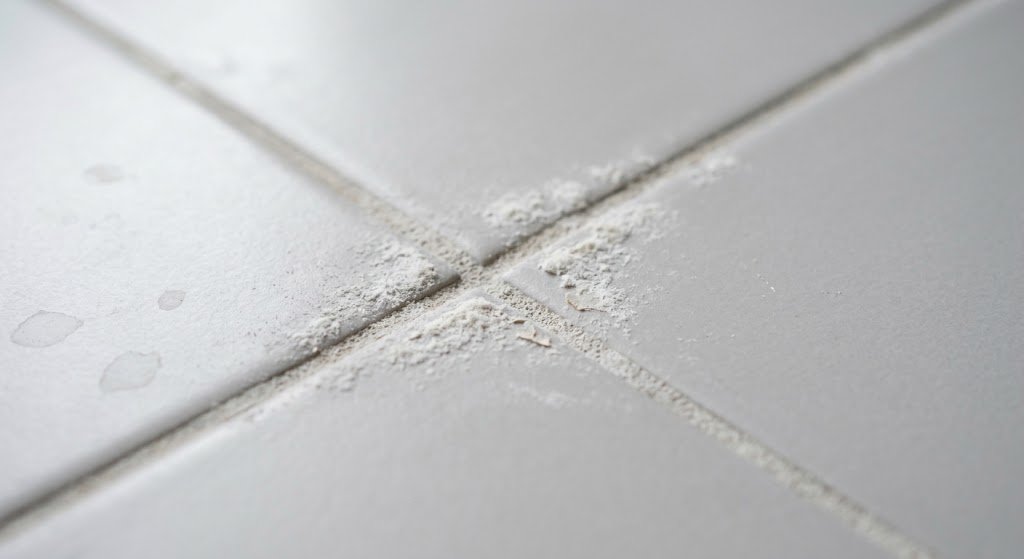
Mildew is a specific type of fungus characterized by its flat growth habit. It usually stays strictly on the surface of damp, non-porous or semi-porous materials like shower tiles, window sills, and paper.
Characteristics of Mildew:
- Texture: Thin, dry, powdery, or downy.
- Color: White, light gray, or yellowish.
- Impact: Because it stays on the surface, it is relatively easy to wipe away and clean. Left untreated, it gives off a musty odor and can damage fabrics or plants.
What is Mold?
Mold is a broader term for microscopic fungi that grow in multicellular filaments called hyphae. Unlike mildew, mold colonies actively penetrate beneath the surfaces of porous building materials such as drywall, wood, insulation, and carpeting.
Characteristics of Mold:
- Texture: Fuzzy, velvety, or slimy, especially in high-humidity areas.
- Color: Ranging from dark green and jet black to brown, gray, or orange.
- Impact: Mold compromises structural integrity over time and releases microscopic spores into the air, which can circulate through HVAC systems and aggravate respiratory conditions.
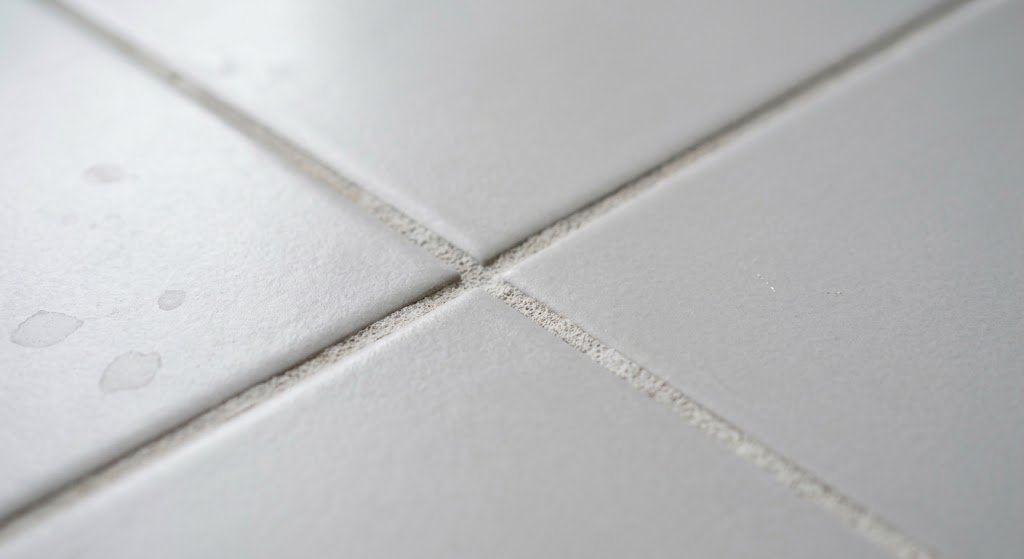
[Image 1 Placeholder: Close-up of Mildew on Bathroom Tiles]
Mold vs. Mildew: Quick Comparison Checklist
To quickly diagnose what is growing in your home, check the following indicators:
| Feature | Mildew | Mold |
| Growth Habit | Flat, surface-level film | Raised, multicellular colonies |
| Surface Penetration | None (stays on top) | Deep penetration into porous materials |
| Typical Colors | White, gray, yellow | Black, dark green, brown, orange |
| Texture | Powdery or downy | Fuzzy or slimy |
| Ease of Removal | Easy to scrub off hard surfaces | Harder to remove; requires deep cleaning or material replacement |
For more insights on keeping your indoor environment clean and hazard-free, check out this [Internal Link: Insert relevant internal URL here with anchor text].
Step-by-Step Guide: How to Safely Clean Mildew and Mold
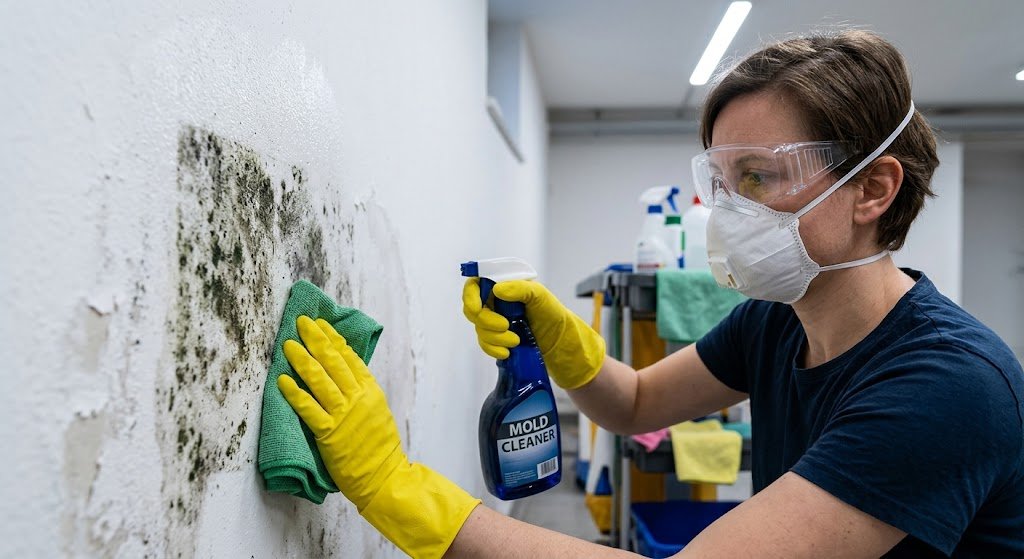
Before attempting any remediation, always protect yourself by wearing rubber gloves, goggles, and an N95 respirator mask to avoid inhaling airborne spores.
1. For Surface Mildew (DIY Friendly)
Because mildew resides entirely on the surface, you can easily tackle it with household solutions:
- Mix equal parts white vinegar and water in a spray bottle (or use a commercial anti-fungal cleaner).
- Spray the solution directly onto the affected surface and let it sit for 10 minutes to break down the fungal membranes.
- Scrub gently with a soft-bristled brush, then wipe clean with a damp microfiber cloth.
- Ensure the area is thoroughly dried afterward Wikipedia.
2. For Mold Remediation
If you are dealing with mold on porous materials like drywall or insulation, surface wiping will not suffice.
- Assess the Size: According to environmental guidelines, if the total mold patch is smaller than 10 square feet (roughly a 3×3 foot area), you can usually handle it yourself. For larger infestations, it is best to call a professional remediation team.
- Discard Porous Contaminants: Deeply colonized items like heavily molded carpets, ceiling tiles, or drywall must be cut out and discarded safely.
To learn more about professional air quality standards and safety protocols, visit this [External Link: Insert high-authority external URL here with anchor text] resource from public health guidelines.
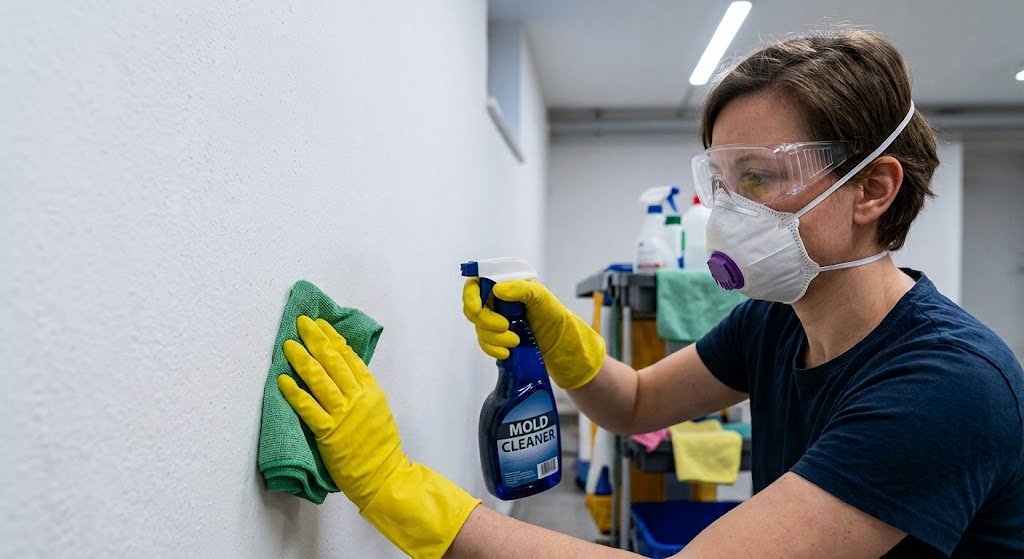
[Image 2 Placeholder: Cleaning Mold Safely with PPE]
Proven Strategies to Prevent Moisture Damage
The absolute best way to manage mold vs. mildew is to stop them from growing in the first place by controlling indoor moisture. Implement these proven preventative measures:
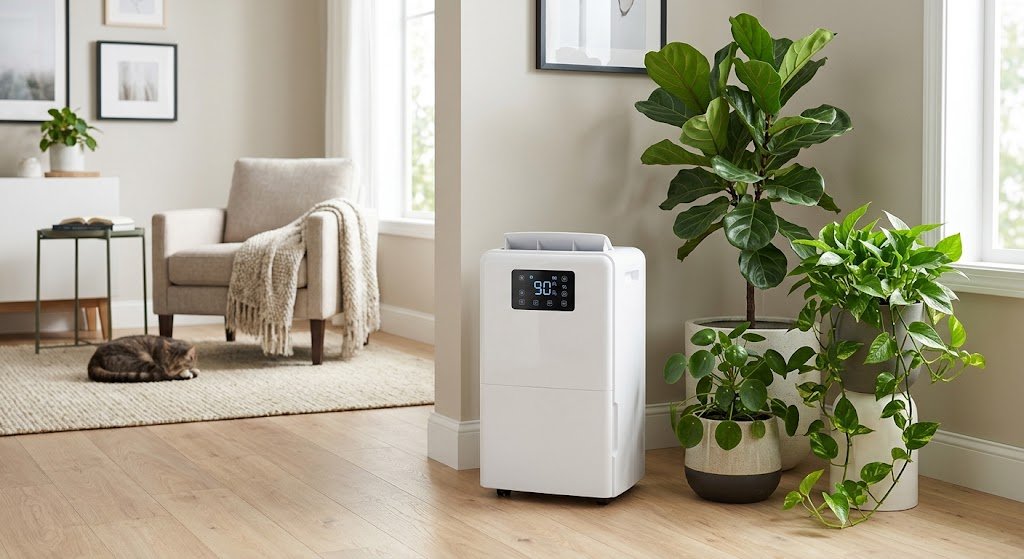
- Control Indoor Humidity: Keep your home relative humidity levels between 30% and 50%. Invest in a reliable hygrometer and use dehumidifiers in damp basements.
- Ventilate High-Moisture Areas: Always run exhaust fans in bathrooms during and for 20 minutes after showers, and use kitchen hood vents while cooking.
- Fix Leaks Promptly: Inspect plumbing, roofs, and window frames regularly. Repair any water leaks within 24 to 48 hours to prevent spores from germinating.
- Improve Air Circulation: Keep interior doors open between rooms, and pull heavy furniture a few inches away from exterior walls to allow air to flow freely.
[Image 3 Placeholder: Modern Dehumidifier in a Cozy Living Room
Conclusion
Distinguishing between mold vs. mildew is the first critical step toward maintaining a healthy home environment. While mildew is typically a minor, surface-level annoyance, mold can deeply compromise your building materials and health if left unchecked. By identifying growth early, using safe cleaning methods, and aggressively controlling indoor moisture, you can protect your property and ensure clean indoor air for years to come.
Frequently Asked Questions (FAQs)
1. Can mildew turn into mold if left untreated?
Mildew is technically an early-stage or specific flat form of fungal growth. While it does not morph into a different species, leaving chronic moisture unaddressed creates an ideal environment for more aggressive, deep-rooting molds to take over.
2. Is black mold more dangerous than mildew?
Yes. While mildew generally causes minor localized irritation, black mold (Stachybotrys chartarum) can produce mycotoxins that trigger severe respiratory symptoms, chronic headaches, and allergic reactions, especially in children and individuals with asthma.
3. Does bleach kill mold on drywall?
No. Household bleach only kills mold on non-porous hard surfaces (like glass or tile). Because bleach is water-based, the water sinks into porous drywall while the chlorine stays on top, leaving the roots alive underneath and causing the mold to return later.
Leave a Reply