As warmer weather arrives, insect and rodent activity picks up significantly. Implementing a comprehensive spring pest control checklist is the most effective way to intercept seasonal invaders before they establish colonies inside your home https://fibozin.com.
Spring temperatures activate overwintering pests like ants, spiders, termites, and wasps that emerge searching for food, water, and nesting sites. By systematically inspecting your home’s perimeter, repairing entry points, and eliminating moisture sources early in the season, you build an active barrier that protects your property year-round.
Key Takeaways
- Seal the Building Envelope: Inspect door thresholds, window frames, and foundation cracks to close physical gaps where bugs enter.
- Eliminate Standing Moisture: Repair leaking hose spigots, clear clogged gutters, and direct downspouts away from foundation walls to eliminate water sources.
- Maintain Yard Clearance: Keep tree branches, shrubs, and mulch beds at least 12–18 inches away from exterior siding to remove pest bridges.
- Address Food & Waste: Store trash in sealed heavy-duty cans and keep pet food containers closed to deter rodents and ants.
Phase 1: Exterior Perimeter Inspection & Sealing
Your home’s exterior siding and foundation serve as the first line of defense. Small hairline cracks or worn weatherstripping create open highways for crawling insects.
1. Caulk and Weatherstrip Entry Points
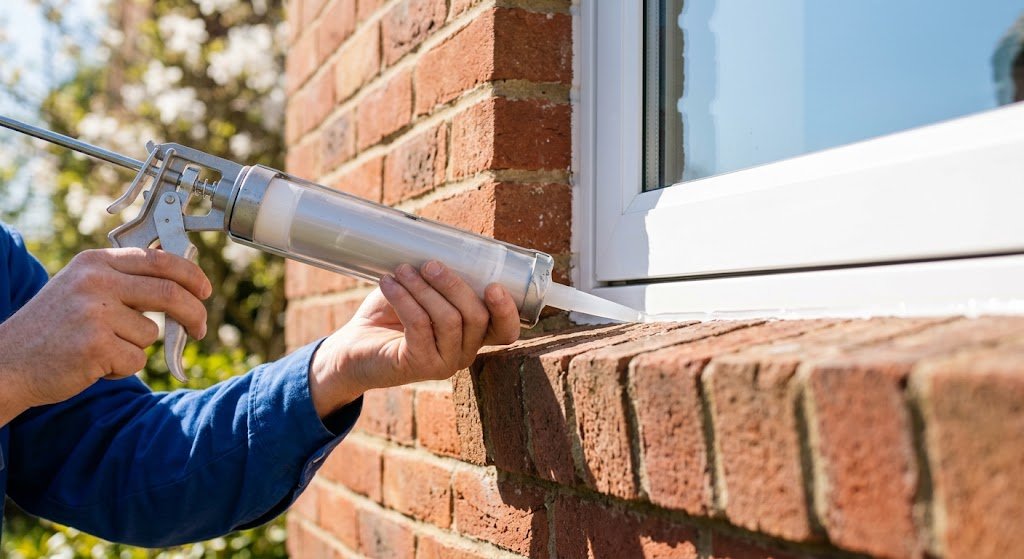
- Windows & Doors: Inspect window frames and exterior doors for worn seals. Replace damaged door sweeps and seal perimeter gaps with high-grade exterior silicone caulk.
- Utility Penetrations: Check where plumbing pipes, electrical conduit, and HVAC lines enter through siding or brickwork. Fill gaps using expanding foam or copper mesh wire.
- Foundation Cracks: Apply masonry sealant to hair-line cracks along concrete or brick foundation walls.
2. Repair Window & Porch Screens
Examine all window mesh screens and screen doors for minor tears or frame gaps. Repair small tears with wire patches or replace damaged screening before opening windows for fresh spring breezes.
[Image Placeholder 1]
Phase 2: Yard Maintenance & Vegetation Management
Landscaping that directly contacts your home structure provides pests with easy bridges over physical barriers Wikipedia.
1. Trim Trees & Ornamental Shrubs
Prune overgrown tree branches and bushes so they maintain a minimum 12-to-18-inch gap from your siding and roofline. This prevents ants, squirrels, and spiders from using branches as walkways onto your roof or window sills.
2. Manage Mulch & Groundcover
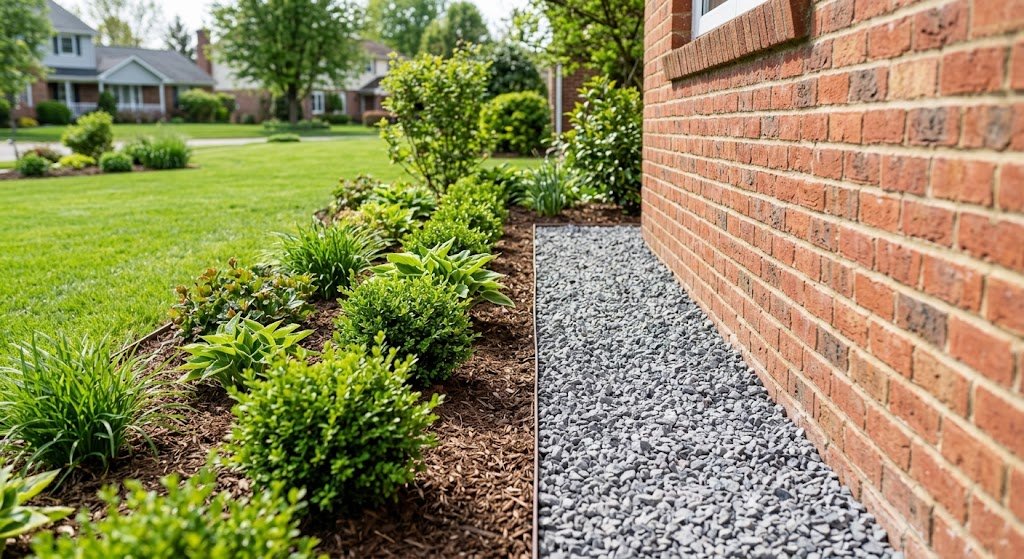
While organic wood mulch retains moisture for garden beds, deep layers resting against foundation walls create ideal nesting environments for termites and millipedes. Keep mulch beds pulled back at least 6 inches from concrete foundations, or consider using rubber mulch or gravel borders instead.
For official guidance on sustainable landscaping and eco-friendly pest management practices, consult the [External Link: Insert high-authority external URL here with anchor text like EPA National Pesticide Information Center Guidance].
[Image Placeholder 2]
Phase 3: Water Drainage & Moisture Elimination
Pests require reliable water sources even more than food. Resolving spring drainage issues removes a major incentive for insects to congregate around your home.
1. Clean Gutters & Direct Downspouts
Remove accumulated autumn leaves, pine needles, and debris from roof gutters to ensure smooth rainwater runoff. Extend downspout splash blocks so water drains at least 3 to 5 feet away from foundation walls.
2. Fix Outdoor Spigots & HVAC Drains
Inspect outdoor hose bibbs, irrigation lines, and air conditioning condensation lines for slow leaks or pooling water. Replace worn rubber washers immediately to prevent muddy soil conditions.
Phase 4: Indoor Sanity & Storage Safeguards
Once external defenses are secure, complete your spring pest control checklist inside high-risk areas like basements, pantries, and attics.
- Pantry Sanitation: Store flour, sugar, cereals, and pet food in rigid, airtight glass or BPA-free plastic containers.
- Declutter Basements & Attics: Replace cardboard storage boxes with sealed plastic totes to eliminate dark nesting sites favored by spiders and rodents.
- Basement Dehumidification: Run a dehumidifier in basements or crawl spaces to keep relative humidity levels below 50%.
If you want to complement your seasonal outdoor prep with a complete interior maintenance routine, refer to our comprehensive [Internal Link: Insert relevant internal URL here with anchor text like The Ultimate Home Deep Cleaning Checklist: Room-by-Room Guide].
[Image Placeholder 3]

Spring Pest Control Checklist: Summary Sheet
| Area | Action Required | Frequency |
| Doors & Windows | Replace sweeps, repair screen tears, caulk frame gaps | Early Spring |
| Siding & Foundation | Seal utility pipe openings with copper mesh or foam | Early Spring |
| Landscaping | Trim branches 12″+ back from siding, pull mulch off walls | Mid Spring |
| Gutters & Spigots | Clear gutter debris, fix outdoor hose leaks, direct downspouts away | Spring & Fall |
| Interior Storage | Transfer dry foods to plastic/glass containers, store totes off floors | Ongoing |
Frequently Asked Questions (FAQs)
When is the best time to execute a spring pest control checklist?
Early spring (typically late March to mid-April) is the ideal time to complete your checklist. Completing sealant and yard repairs before summer temperatures rise prevents insects from gaining entry during their peak breeding cycle.
Do natural repellents work as part of a spring pest control plan?
Yes, applying natural repellents like essential oil sprays or food-grade Diatomaceous Earth around entry points works well as a supplementary barrier when combined with physical sealing and proper yard clearance. For a full list of non-toxic deterrents, read our guide on [Internal Link: Insert relevant internal URL here with anchor text like 7 Natural Ways to Keep Ants and Spiders Out of Your Home].
How do I know if I need professional pest control this spring?
If you notice structural wood damage (signs of termites or carpenter ants), persistent rodent droppings, or recurring insect infestations despite completing your spring checklist, it is best to consult a certified exterminator promptly.
Conclusion
Following a structured spring pest control checklist protects your home from unwanted invaders before warmer weather arrives. By sealing physical entry gaps, correcting moisture issues, trimming landscaping away from foundation walls, and keeping food tightly stored, you can enjoy a comfortable, bug-free house throughout the spring and summer seasons.
Leave a Reply