Discovering pests in your bedroom is frustrating, but knowing how to get rid of bed bugs fast helps restore comfort, safety, and peace of mind. Bed bugs (Cimex lectularius) are small, flat, wingless insects that feed on blood while occupants sleep. Because they hide in tiny crevices and multiply rapidly, addressing an infestation requires an organized, multi-step plan https://fibozin.com.
Whether you brought hitchhikers home from a recent trip or caught an early infestation, applying an Integrated Pest Management (IPM) approach—combining mechanical cleaning, heat treatment, physical barriers, and targeted treatments—is key to eliminating them completely.
Key Takeaways
- Act Immediately: Bed bugs can lay hundreds of eggs over their lifespan; early intervention prevents the colony from spreading throughout the house.
- Use Heat & Washing: High heat kills bed bugs and their eggs at all life stages. Wash and dry infested bedding and garments on high heat for at least 30 minutes.
- Encase & Isolate: Install sealed, bite-proof mattress encasements and bed bug interceptors under bed legs to trap remaining insects and protect your mattress.
- Avoid Dangerous DIY Mistakes: Total-release foggers (“bug bombs”) often cause bed bugs to scatter deeper into walls rather than eradicating them.
Step 1: Recognize Early Signs of Bed Bugs
Early detection makes treatment faster, cheaper, and far more effective. Do not rely solely on bite marks, as individuals react differently to bed bug saliva—some develop red itchy welts, while others show no physical reaction.
Top Visual Signs of an Infestation
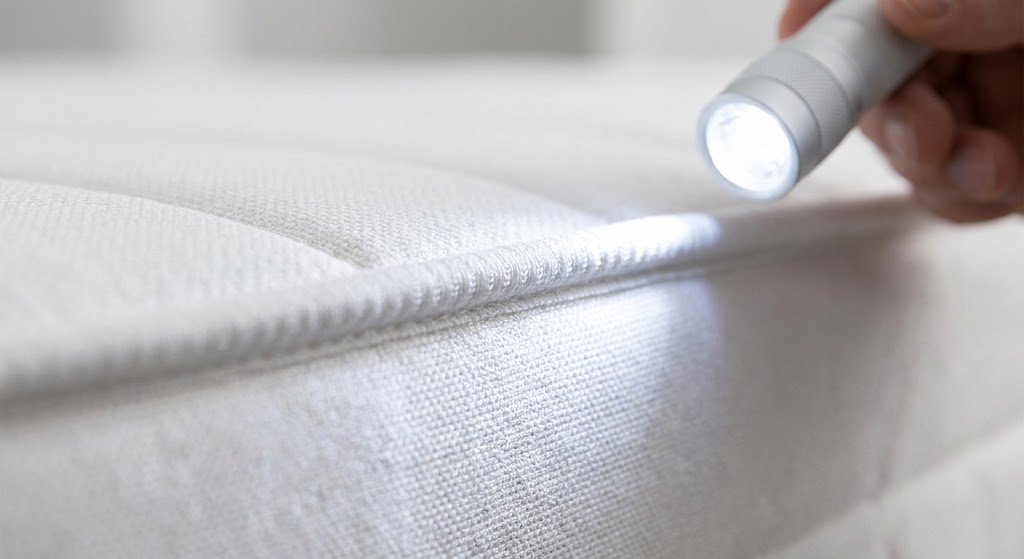
- Rusty or Dark Spots: Small reddish-brown specks on sheets, pillowcases, or mattresses caused by bug excrement or crushed insects.
- Shed Exoskeletons: Translucent, pale yellow skins molted by young nymphs as they grow.
- Live Bugs: Adult bed bugs are roughly the size and color of an apple seed (5–7 mm, reddish-brown, flat oval shape).
- Musty Odor: Moderate to severe infestations produce a subtle, sweet, musty scent emitted by their scent glands.
[Image Placeholder 1]
Step 2: Immediate Non-Chemical Containment Strategies
Once you confirm the presence of bed bugs, contain the affected area immediately so bugs do not spread to neighboring rooms or multi-unit living spaces.
1. The Laundry Protocol (High Heat)
Strip all bed sheets, pillowcases, blankets, mattress pads, and nearby clothing. Bag them in sealed plastic bags before transporting them to the laundry room. Wash with detergent and dry on high heat for a minimum of 30 minutes, as heat effectively kills adult bugs, nymphs, and eggs.
2. High-Efficiency Vacuuming
Vacuum all mattress seams, box springs, bed frames, baseboards, carpet edges, and upholstered furniture daily. Use narrow nozzle attachments for tight cracks. Immediately seal the vacuum bag or contents in a plastic bag and dispose of it in an outdoor trash bin.
3. Mattress Encasements & Interceptors
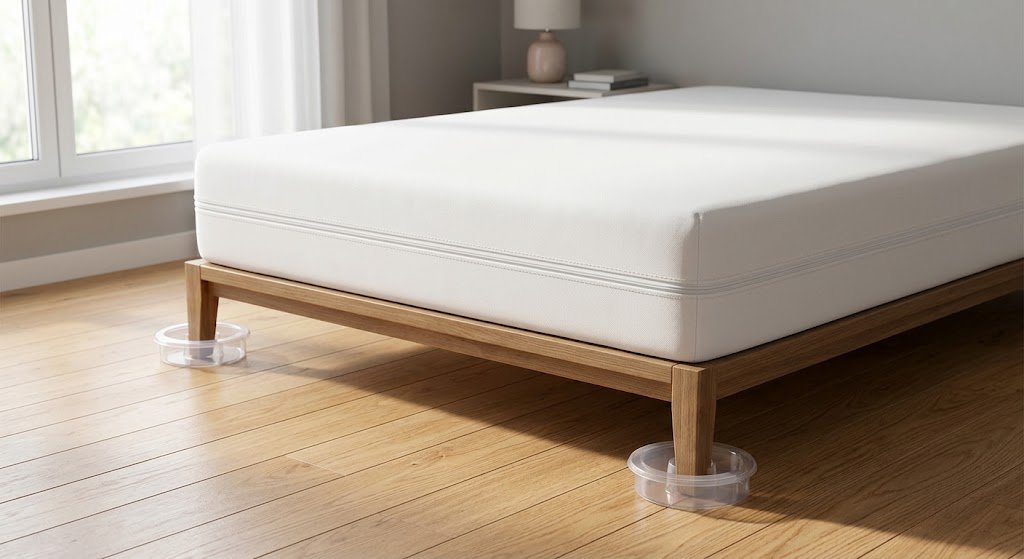
Place zippered, lab-certified bed bug encasements over both your mattress and box spring. This traps existing bugs inside where they eventually die and prevents new ones from entering folds. Install climb-proof interceptor cups under every bed post to trap bugs attempting to climb up or down.
[Image Placeholder 2]
Step 3: Targeted DIY & Professional Treatment Options
For complete eradication, physical cleaning should be paired with effective non-chemical tools or professional interventions Wikipedia.
Effective Non-Chemical Treatments
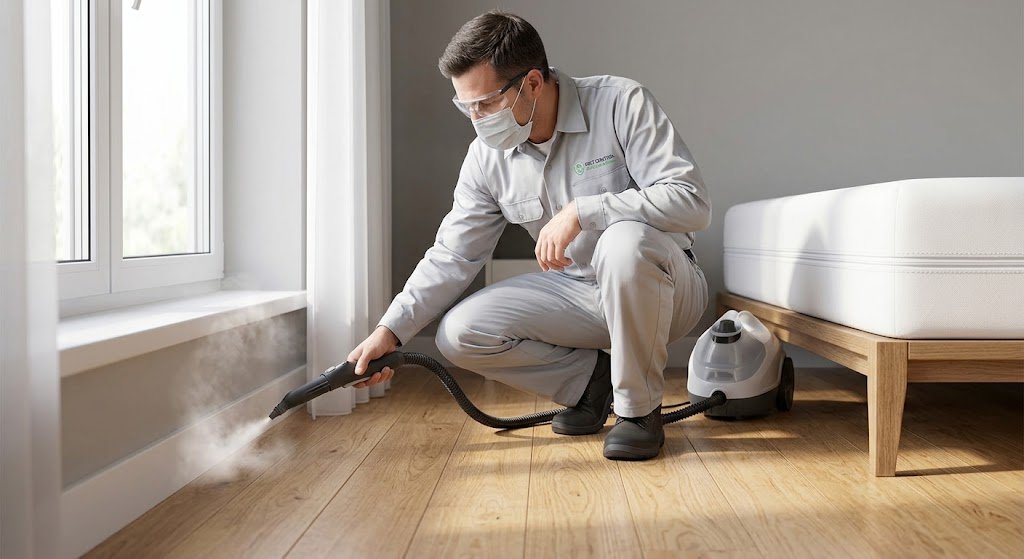
- High-Temperature Steaming: Commercial-grade steam cleaners producing temperatures above $130^\circ\text{F}$ ($54^\circ\text{C}$) penetrate deep into fabric folds, carpet edges, and sofa frames to kill bed bugs on contact.
- Desiccant Powders: Food-grade Diatomaceous Earth or silica aerogels applied lightly in dark wall crevices and under baseboards absorb the waxy outer layer of bed bugs, causing them to dehydrate.
Chemical Application & EPA Guidelines
If using EPA-registered insecticides, choose products specifically labeled for indoor bed bug treatment. Follow label instructions carefully, and combine different chemical classes (such as desiccants or insect growth regulators) to bypass pesticide resistance.
For detailed federal safety guidelines regarding chemical treatments and pest management standards, review the [External Link: Insert high-authority external URL here with anchor text like EPA Bed Bug Prevention and Control Guidelines].
[Image Placeholder 3]
Step 4: Proactive Bed Bug Prevention Tips
Preventing bed bugs from entering your home initially is much easier than treating an established colony.
- Travel Smart: When staying in hotels, place luggage on elevated metal luggage racks rather than on the floor or bed. Inspect mattress seams and headboards with a phone flashlight.
- Inspect Used Furniture: Thoroughly inspect pre-owned sofas, bed frames, or wooden furniture before bringing them indoors.
- Seal Cracks & Baseboards: Apply silicone caulk around baseboards, wall penetrations, and outlet cover gaps to reduce hiding spots.
- Maintain Clutter-Free Spaces: Reducing floor clutter eliminates hiding spots near sleeping areas.
For more tips on choosing between handling treatments yourself or hiring specialists, see our detailed guide on [Internal Link: Insert relevant internal URL here with anchor text like DIY vs. Professional Pest Control: When Should You Call the Experts?].
Frequently Asked Questions (FAQs)
What is the single fastest way to kill bed bugs on contact?
High heat ($120^\circ\text{F}$–$130^\circ\text{F}$ or higher) delivered via a clothes dryer on high heat or a high-temperature steam cleaner kills bed bugs and their eggs on contact.
Can I get rid of bed bugs fast without hiring an exterminator?
Minor, early-stage infestations isolated to a single bed can sometimes be eliminated through diligent high-heat washing, vacuuming, steam treating, encasements, and desiccant powders. However, severe or widespread infestations in multi-room homes typically require professional extermination services.
Do total release bug bombs work against bed bugs?
No, bug bombs/aerosol foggers are generally ineffective against bed bugs because the fog cannot penetrate deep into the narrow cracks where the bugs hide. In many cases, foggers cause pests to scatter further into walls and adjacent rooms.
Conclusion
Learning how to get rid of bed bugs fast requires a combination of early detection, thorough high-heat cleaning, physical encasement barriers, and targeted treatments. By reacting quickly and systematically applying these proven prevention and treatment strategies, you can restore your home to a clean, comfortable, and pest-free sanctuary.
Leave a Reply